
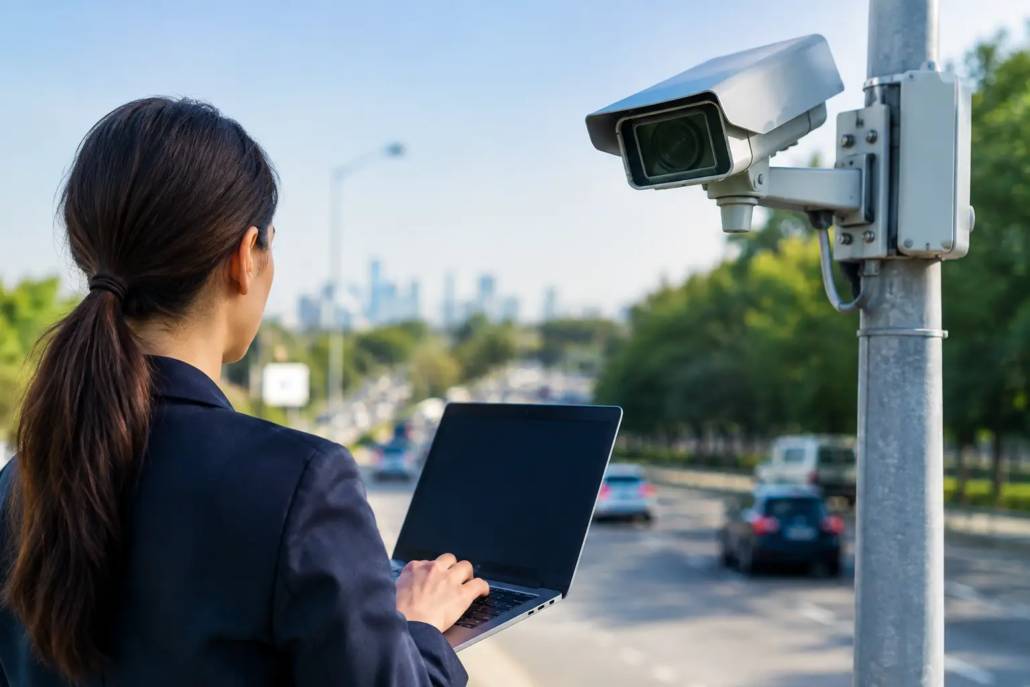
How to Request Traffic Camera Footage in MA
A crash at a Boston intersection can be over in seconds, but the video that shows what happened may disappear just as quickly. If you need to request traffic camera footage after a Massachusetts collision, speed matters. Footage may clarify a disputed red light, a driver’s unsafe turn, a pedestrian’s right of way, or whether traffic-control equipment was functioning at the time.
Camera video is not automatically saved for an insurance claim, and it is not automatically collected by police. The sooner an injured person or family identifies possible cameras and asks the right agency or business to preserve recordings, the better the chance that evidence will still exist when it is needed.
Why Traffic Camera Footage Can Matter
After a serious car, truck, bicycle, or pedestrian crash, the other driver may give a version of events that does not match yours. Witnesses can forget details. A police report can contain preliminary information or omit what occurred in the seconds immediately before impact. Video can provide a more objective record.
Depending on its angle and quality, footage may show vehicle speed, lane position, signal phases, a failure to yield, distracted or aggressive driving, weather and road conditions, or the presence of a work zone. It may also reveal additional vehicles, witnesses, or nearby businesses that have their own recordings.
Video is not always decisive. A camera may face the wrong direction, record only still images, have a blocked view, or lack enough detail to identify a license plate. Still, even partial footage can strengthen an investigation when combined with photos, vehicle damage, witness accounts, phone records, and accident reconstruction evidence.
How to Request Traffic Camera Footage After a Crash
Start by writing down the precise crash location, date, and time window. Do not limit the time window to the reported time of impact. Ask for footage beginning at least 15 to 30 minutes before the collision and continuing afterward, if possible. This can capture traffic movement, signal changes, and what drivers did immediately after the crash.
Identify who may own or operate the camera. On Massachusetts roads, possible sources include a city or town traffic department, a police department, the Massachusetts Department of Transportation, a transit authority, a tolling or transportation facility, or a private property owner. In Boston, cameras near a major intersection may be operated by a public agency, while a camera pointed at the same roadway may belong to a corner store, apartment building, garage, office, or construction project.
A request should be specific enough to help the custodian locate the recording. Include the intersection or roadway, travel direction, the date, the estimated time, and a short description of the crash. Identify yourself and provide reliable contact information. If you know a camera number or exact location, include it, but do not delay a request just because you do not have that information.
For a government-held record, a written public records request may be appropriate. A public agency may have legal obligations to respond, but that does not guarantee release of every recording. The agency may say it has no responsive footage, that the footage was not retained, or that a legal exemption limits disclosure. Footage connected to an active law-enforcement investigation can involve additional restrictions.
For private cameras, a public records request will not apply. A direct, courteous preservation request is often the first step. The owner is not necessarily required to provide video voluntarily, but asking early can prevent an automatic deletion while the facts are evaluated. If a claim or lawsuit requires it, an attorney may seek the footage through formal legal procedures.
Ask for Preservation, Not Just Production
A common mistake is asking only for a copy of video. A request for a copy can sit in an inbox while the system continues overwriting old recordings. Make clear that you are asking the recipient to preserve all potentially relevant footage and prevent its deletion or alteration.
Your request should identify the incident and explain that the recording may be relevant to an injury claim. Keep a copy of what you sent, how it was delivered, and any response. If you speak with someone by phone, write down the person’s name, title, date, and what they said about retention or availability.
A preservation request does not force a private owner to hand over footage. It does, however, create a record that the owner was notified of its potential importance. That record can matter if evidence later disappears after a party had reason to preserve it.
Do Not Assume a Traffic Camera Is Recording Video
Many people see a camera over a highway or intersection and reasonably believe it is storing a video record. Some cameras provide live traffic images, limited snapshots, or operational monitoring without maintaining accessible archived video. Others may retain recordings for only a short period.
That is why calling or writing promptly is more useful than waiting for the police report, an insurance adjuster, or a medical recovery to progress. Ask whether the camera was operating, whether recordings exist for the relevant period, how long they are retained, and what is required to preserve or obtain them.
The answer may vary by agency, location, and purpose of the camera. A highway traffic-management camera may be handled differently from a red-light or municipal intersection camera. Cameras on MBTA property, at a construction site, or inside a private garage can involve different owners and procedures.
Preserve Other Video Evidence Too
A traffic camera may not have captured the collision clearly, but nearby video sources often fill the gap. After an accident, look outward from the scene rather than focusing only on the intersection. A vehicle may have approached from a block away, traveled through a parking lot, or struck someone near a storefront.
Potential sources can include:
- Nearby homes, apartment buildings, and condominium entrances
- Gas stations, convenience stores, restaurants, and retail shops
- Parking garages, loading docks, and office-building security systems
- Doorbell cameras and privately owned exterior cameras
- Construction-site cameras and cameras on commercial vehicles
If your injuries permit, take photographs showing where cameras are mounted and the direction they face. Ask a friend or family member to do this if you are receiving medical care. Do not enter private property, confront employees, or interfere with crash-scene work. The goal is to document possible evidence sources before they are forgotten or removed.
What to Do While Footage Is Being Located
Video preservation is only one part of protecting a Massachusetts injury claim. Seek medical care and follow treatment recommendations. Save photographs of injuries, vehicles, the roadway, debris, and damaged personal property. Keep the police report number, names of witnesses, insurance correspondence, and all bills or work-loss documentation.
Be cautious with recorded statements and early settlement discussions. An insurer may contact you before the full extent of your injuries is known or before crucial evidence has been reviewed. A quick payment offer may not account for continuing treatment, lost income, pain, or future limitations.
An experienced injury attorney can investigate camera ownership, send preservation notices, evaluate whether a public records request is appropriate, and pursue formal discovery if a lawsuit becomes necessary. Massachusetts Injury Lawyers can help injured people and families assess urgent evidence issues through a free consultation, including when travel to a client is needed.
If you believe a camera captured your crash, act before the recording system decides the case for you. A timely request, a clear preservation notice, and careful documentation can give your account of what happened the evidence it deserves.


Leave a Reply
Want to join the discussion?Feel free to contribute!