
How to Preserve Vehicle Data After a Massachusetts Crash
A vehicle can begin losing critical evidence the moment it is moved, repaired, restarted, or sent to a salvage yard. After a serious collision, the physical damage tells only part of the story. To preserve vehicle data, injured Massachusetts drivers and families may need to act quickly before electronic records are overwritten or a vehicle is no longer available for inspection.
Modern cars, trucks, SUVs, and rideshare vehicles can store information about speed, braking, steering, seat belt use, airbag deployment, and other events immediately before and during a crash. That information may support an injured person’s account of what happened, challenge an inaccurate police report, or identify evidence that an insurance company has overlooked.
Why Vehicle Data Can Matter After a Crash
Many people know that a vehicle may have a black box, but the term can be misleading. Most passenger vehicles contain an event data recorder, often called an EDR. It is usually connected to the airbag control module and may capture a limited set of data around a triggering event, such as a collision serious enough to deploy airbags.
The available data varies by make, model, year, and the severity of the crash. In an appropriate case, it may show the vehicle’s speed in the seconds before impact, whether the driver applied the brakes, accelerator position, changes in steering input, engine revolutions, and whether occupants wore seat belts. A truck may hold substantially more information through electronic logging devices, engine control modules, dash cameras, fleet-management systems, and GPS tracking.
That evidence can be especially significant in disputes involving a red light, a rear-end collision, a left turn, sudden braking, a highway lane change, or a claim that a driver was speeding. In Boston and surrounding communities, where intersections, delivery traffic, cyclists, pedestrians, construction zones, and rideshare vehicles often share limited road space, a few seconds of objective information can matter.
Vehicle data is not automatically decisive. An EDR may not record every crash-related action, and the data must be interpreted by someone qualified to retrieve and explain it. Still, it can help place witness accounts, surveillance video, photographs, and damage patterns into a clearer timeline.
How to Preserve Vehicle Data Before It Is Lost
The most urgent step is often preserving the vehicle itself. If possible, do not authorize repairs, dismantling, sale, or disposal until the vehicle has been evaluated for potential evidence. This may be difficult when you need transportation, storage charges are increasing, or an insurer is pressing to resolve the property-damage claim. Those pressures are real, but once key components are replaced or a vehicle is salvaged, the opportunity to inspect them may be gone.
If the vehicle is drivable, avoid repeatedly starting it or taking it on the road simply to test whether it still works. Depending on the system, later events can affect stored information. If it must be moved, document where it is taken and keep towing, storage, and repair records.
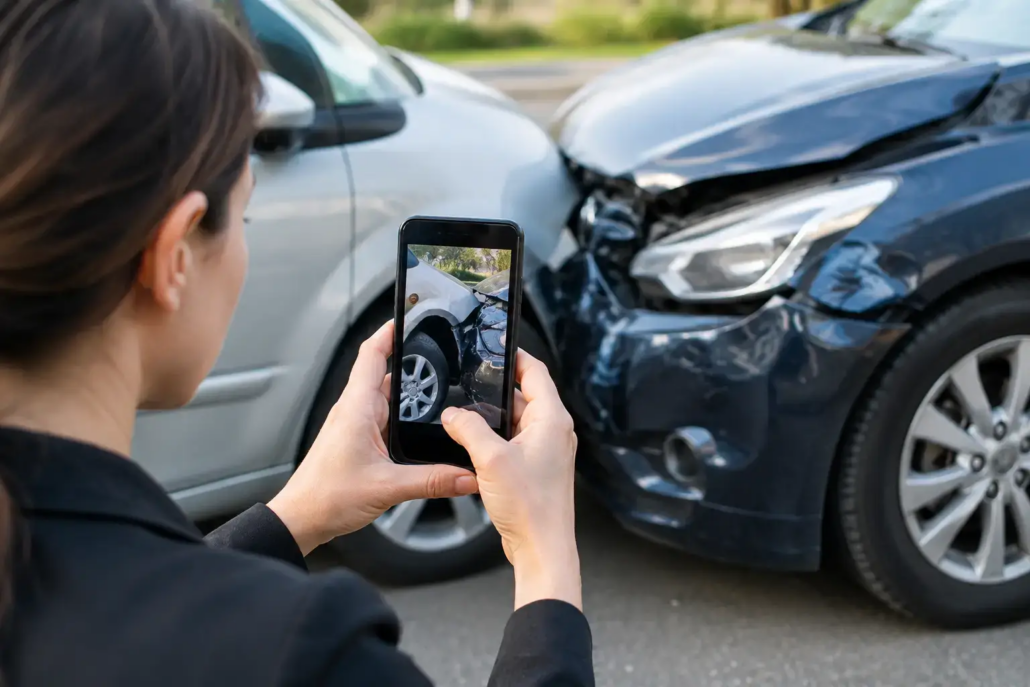
Take clear photographs of the vehicle from multiple angles before repairs begin. Photograph the point of impact, deployed airbags, seat belt positions, tire condition, broken glass, interior damage, and any visible dashboard warnings. Save the vehicle identification number, license plate information, towing paperwork, and the name and address of the storage facility. These records help identify the vehicle and establish where it has been since the crash.
If your vehicle has a connected-car application, built-in navigation system, dash camera, or aftermarket device, preserve those records as well. Screenshots can be useful, but they are not always enough. Download available trip histories, retain the original device and memory card, and avoid deleting applications or resetting the vehicle’s infotainment system. Phone-based navigation, rideshare applications, and vehicle apps may contain timestamps, route information, messages, or trip data that could later become relevant.
Do Not Let a Total-Loss Decision End the Evidence Trail
An insurer may classify a heavily damaged vehicle as a total loss soon after the collision. That decision concerns property damage and does not necessarily mean the vehicle has no value as evidence in an injury claim. Before signing paperwork that transfers ownership or allows the vehicle to be disposed of, ask where the vehicle is located and whether an inspection is needed.
The same concern applies when another driver’s insurer controls the damaged vehicle, or when a commercial truck, rental car, company vehicle, or rideshare vehicle is involved. You may not control that evidence. Prompt written notice can be necessary to request that the responsible party retain the vehicle and relevant electronic records rather than repairing, selling, or destroying them.
What Other Data Should Be Preserved?
A crash investigation should not focus on the vehicle alone. The strongest case may require comparing vehicle data with other sources that confirm or explain what occurred. In a truck crash, for example, electronic records may show vehicle movement, braking, hours of service, maintenance history, and driver communications. In a rideshare collision, trip information, driver status, app activity, and insurance coverage may all affect the claim.
Other useful evidence may include nearby business surveillance footage, traffic camera video, 911 recordings, police dispatch records, witness contact information, scene photographs, and medical records documenting the injury. Video is often overwritten quickly, sometimes within days. A damaged vehicle may remain available longer, but it can still disappear once repairs or a total-loss process begins.
Preserving evidence does not mean trying to obtain or analyze everything yourself. Some data requires specialized equipment, technical knowledge, consent, a court order, or formal legal requests. Attempting to remove modules, access another party’s device, or alter a vehicle can create disputes about the condition of the evidence. The safer approach is to preserve what is in your control, document the situation, and seek legal guidance promptly.
Who Has the Right to Access Vehicle Data?
Access depends on the vehicle, the system involved, ownership, and the circumstances of the crash. An owner may have certain rights to information from their own vehicle, but that does not mean every system is easily accessible or that the data will be useful. A leased vehicle, employer-owned vehicle, rental car, or commercial truck can raise additional questions about custody and access.
When another driver may be at fault, their insurer is not required to simply hand over all potentially damaging information upon request. Formal evidence-preservation steps may be needed. An experienced injury lawyer can identify the records that matter, send preservation notices, communicate with insurers, and arrange an appropriate inspection when warranted.
This is particularly important in cases involving catastrophic injuries or wrongful death. Families should not have to make technical evidence decisions while dealing with emergency treatment, funeral arrangements, or sudden financial uncertainty. Early action can protect options while the facts are still available.
Common Mistakes That Can Weaken a Claim
The most common mistake is assuming that the police report is the complete record of the crash. Police reports are valuable, but officers often must make quick assessments at a chaotic scene. They may not have access to vehicle data, phone records, surveillance video, or later witness statements.
Another mistake is letting a repair shop or insurer take possession of the vehicle without documenting where it is going or whether it may be inspected. Keep copies of every estimate, total-loss letter, release, and towing document. Do not sign a broad release of claims merely to resolve vehicle damage without understanding its effect on an injury claim.
Finally, do not wait until medical treatment is complete to think about evidence. The full extent of an injury may take time to become clear, but electronic and video evidence can disappear much sooner.
If you or a family member was hurt in a Massachusetts crash, protecting the vehicle and its data can be one practical way to protect your ability to seek answers. A prompt conversation with a lawyer can help you decide what needs attention now, while you focus on medical care and recovery.


Leave a Reply
Want to join the discussion?Feel free to contribute!