
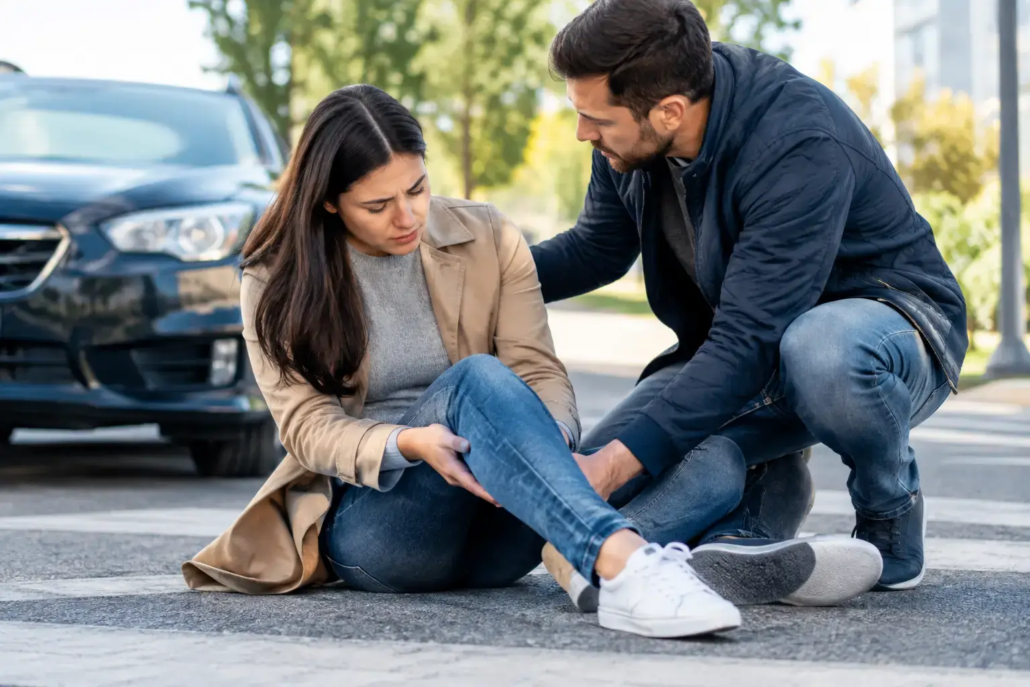
The Best Steps After a Pedestrian Collision
A pedestrian crash can turn an ordinary Boston commute, school pickup, or walk to the T into a medical and financial emergency in seconds. The best steps after a pedestrian collision are not about saying or doing everything perfectly at the scene. They are about protecting your health first, creating a reliable record of what happened, and avoiding preventable problems with an insurance claim later.
Pedestrians are exposed to the full force of a vehicle, even in a collision that appears minor. Pain, dizziness, shock, and confusion can mask injuries. If a driver or insurer later argues that the impact was insignificant or that you were not hurt, the records created in the hours and days after the crash may matter greatly.
Get emergency care and report the collision
Call 911 after a pedestrian collision, particularly if anyone has pain, bleeding, head trauma, trouble walking, or signs of confusion. Ask for police and emergency medical assistance. A police report can document the location, involved vehicle, driver information, witnesses, weather, roadway conditions, and initial accounts of the crash.
Accept medical evaluation when it is offered. Adrenaline can hide symptoms of a concussion, internal injury, fracture, or soft-tissue damage. If you do not go to the emergency room from the scene, arrange prompt medical care and tell the provider that you were struck by a vehicle. That connection should appear accurately in the medical record.
Do not assume that being able to stand or walk means you are uninjured. Headaches, neck pain, numbness, nausea, sleep disruption, and increasing soreness may emerge later. Follow discharge instructions, attend recommended appointments, and seek additional care if symptoms worsen.
Preserve what the scene can tell you
If your condition permits, gather basic information before you leave. Get the driver’s name, contact information, license plate number, insurance information, and a description of the vehicle. Take photographs of the vehicle, your injuries, damaged clothing or belongings, the crosswalk or intersection, traffic signals, skid marks, construction areas, lighting, and anything that may have blocked visibility.
Witness evidence can disappear quickly. A person who saw the crash may leave before police arrive, and their name may never appear in a report. Ask witnesses for their names and phone numbers when possible. Nearby businesses, apartment buildings, buses, and intersections may also have cameras. Video is often recorded over within days, so identifying potential footage early can be critical.
Keep the clothes, shoes, glasses, bicycle, backpack, phone, or other property involved in the collision. Do not wash damaged clothing or repair broken items before documenting them. Physical damage can help explain the force and mechanics of a crash.
Write down what you remember
As soon as you can, write a private account of the event. Include where you were walking, whether you used a crosswalk, the traffic signal, the direction the vehicle came from, what the driver did, and what you heard or felt at impact. Record the time, weather, and any statements the driver made.
Memory is not static. A contemporaneous note is usually more useful than an account reconstructed months later after pain, appointments, and insurance calls have blurred the details.
Be careful about fault discussions and insurance calls
At the scene, do not apologize or speculate about who had the right of way. A pedestrian may be worried about crossing outside a marked crosswalk, walking near a work zone, or wearing dark clothing. Those facts can be relevant, but they do not automatically make the pedestrian responsible for the collision. Drivers still have a duty to use reasonable care, keep a proper lookout, and respond to conditions in front of them.
Massachusetts claims can involve more than one source of coverage. The driver’s auto insurer may be involved, and Personal Injury Protection, commonly called PIP, can provide certain benefits regardless of fault. Depending on the facts, health insurance, a household auto policy, uninsured or underinsured motorist coverage, a rideshare company’s policy, or a commercial vehicle policy may also matter.
An insurer may contact you quickly for a recorded statement, medical authorization, or settlement discussion. You can report the collision and provide necessary basic information without agreeing to a recorded statement or signing broad authorizations before you understand the request. Early settlement offers may arrive before the full medical picture is known. Once a release is signed, recovering additional compensation can be difficult even if your condition becomes more serious.
Keep records of the injury’s real impact
A pedestrian injury claim is not limited to the first emergency room bill. Keep copies of medical records, prescriptions, therapy referrals, imaging results, bills, insurance correspondence, and receipts for out-of-pocket expenses. Save proof of missed work and any communication with your employer about time away, reduced duties, or lost opportunities.
A simple daily journal can also be useful. Note your pain levels, mobility limits, missed family activities, sleep problems, medication side effects, and difficulties using stairs, public transit, or performing your job. This is not about exaggeration. It is about documenting the practical consequences that may not be fully captured in a diagnosis code.
If an injury affects a child, an older adult, or someone who needs help communicating with providers and insurers, a family member should organize these records and track deadlines. Serious injuries often create administrative burdens at the same time a family is trying to focus on recovery.
Identify every party who may be responsible
The driver who struck you may not be the only party whose conduct or insurance coverage matters. A crash involving a delivery van, work truck, rideshare vehicle, rental car, or company-owned vehicle can raise questions about the employer, vehicle owner, driver status, and applicable policies.
Roadway conditions may also require closer review. In Boston and throughout Massachusetts, blocked sightlines, poorly marked construction zones, defective signals, inadequate lighting, or unsafe property entrances can contribute to pedestrian danger. Claims involving public entities or road defects can involve special notice requirements and shorter deadlines. The facts need to be investigated promptly rather than assumed.
This does not mean every collision creates a claim against multiple parties. It means the responsible answer depends on evidence. Vehicle data, phone records, surveillance video, project records, driver logs, and witness statements may reveal facts that were not visible at the scene.
Speak with a Massachusetts pedestrian accident lawyer early
Legal help can be especially valuable when injuries are serious, fault is disputed, the driver left the scene, a commercial or rideshare vehicle was involved, or an insurer is pressuring you to settle. An attorney can help preserve video and other evidence, identify available insurance coverage, communicate with insurers, and assess whether another party contributed to the crash.
Timing matters. Evidence may be lost, witnesses can become difficult to locate, and legal deadlines apply. A prompt consultation does not require you to commit to a lawsuit. It gives you a clearer picture of the steps available while the evidence is still fresh.
Massachusetts Injury Lawyers, through Neumann Law Group, offers free consultations and can meet with injured people who cannot travel because of their condition. After a pedestrian collision, you should not have to manage medical recovery, paperwork, and insurance pressure alone. Getting the right support early can give you room to focus on healing while the facts are protected.


Leave a Reply
Want to join the discussion?Feel free to contribute!