
How Can Site Control Shape a Boston Trench Collapse Claim?
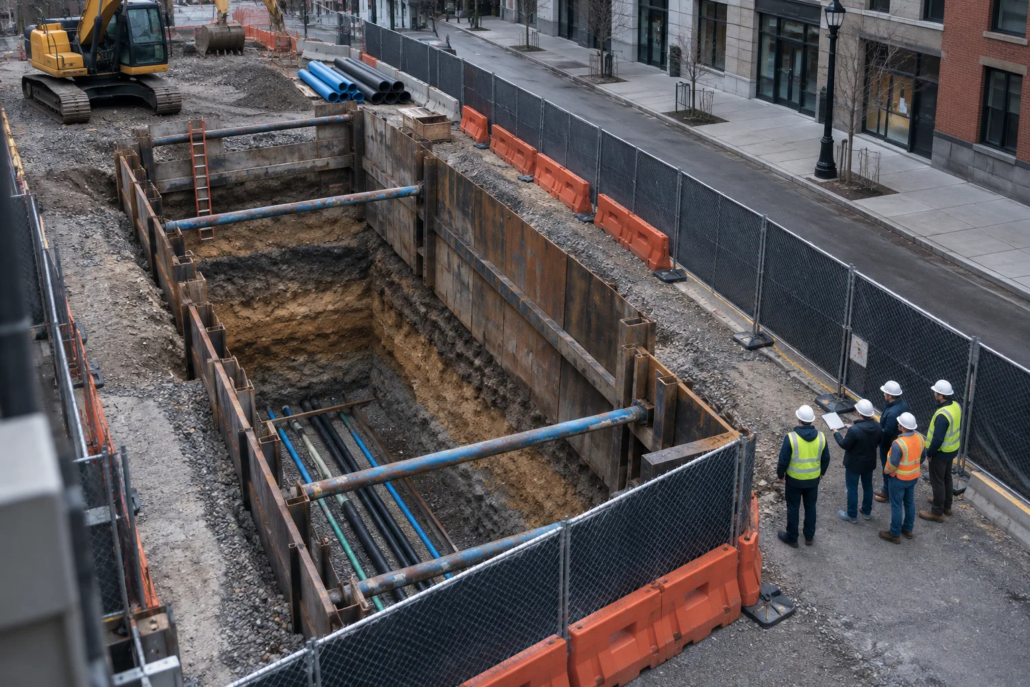
A trench collapse can happen during a routine part of a construction project: installing a utility line, repairing drainage, or preparing a foundation. After a Boston construction trench collapse injury, workers and families may wonder who controlled the excavation—and whether responsibility rested with the employer, another contractor, or more than one party. Neumann helps readers understand why those roles matter. For a broader look at other hazards and responsibility questions at Massachusetts construction sites, the details of each project remain important. This article explains how investigators may assess excavation control, how workers’ compensation differs from a possible third-party claim, and what records can help clarify events. No single job title or contract alone necessarily answers who was responsible.
Who May Have Controlled a Boston Trench Collapse Excavation?
Excavation work often involves several companies, and their responsibilities can overlap. The employer may have assigned the worker to the site, while a general contractor coordinated the schedule and a specialty subcontractor operated the digging equipment. An engineer or utility contractor may also have provided plans or instructions. These roles do not automatically establish liability, but they can help identify who made decisions about the trench and its protections.
Look beyond who performed the digging
A careful review may ask who selected the excavation method, directed the sequence of work, assessed soil or water conditions, arranged protective systems, and had authority to stop work. Investigators may also examine who conducted inspections and whether site conditions changed after an inspection. The answers can differ from one phase of the project to another.
Contracts and written scopes of work are useful, but they are only part of the picture. Daily reports, safety plans, meeting notes, equipment records, photographs, and worker accounts can show how control operated in practice. For example, a contractor may have had a limited written role but still directed a particular task on site. Conversely, a company named in project paperwork may not have controlled the condition that contributed to the collapse. In Boston, where excavation can take place near utilities, roads, and existing structures, coordination between trades may be especially important to reconstruct.
How workers’ compensation and third-party claims may differ
Workers’ compensation and a negligence claim against a separate party are different potential avenues. In Massachusetts, the workers’ compensation system is administered by the Department of Industrial Accidents. Eligible workers may be entitled to benefits under that system without proving that their employer was negligent, although coverage, work-relatedness, and benefit questions can still arise.
A separate claim may be considered when evidence suggests that a person or company other than the worker’s employer contributed to the injury through its work, decisions, or control of a hazardous condition. Possible parties may include a general contractor, excavation subcontractor, site owner, or another company—but their involvement alone does not establish fault. The facts and applicable law determine whether a claim can proceed.
A third-party claim may address losses differently from workers’ compensation benefits, and the relationship between the two can involve reimbursement or other coordination issues. Potential damages depend on the evidence and applicable law. For more context, see potential damages after a Massachusetts construction site accident. A Boston scaffold collapse presents different hazards, but how contractor involvement can shape a Boston scaffold-collapse claim illustrates why a company’s role may matter alongside the workers’ compensation process.
Why excavation conditions and coordination matter
The question is not simply who owned the site or operated the excavator. Soil conditions, water intrusion, nearby equipment or materials, vibration, weather, and changes to the work area may all be relevant. The location and design of protective measures, the timing of inspections, and whether workers were told about a changed condition can also matter. Applicable safety requirements may address excavation protection and inspection, but the precise requirements depend on the work and circumstances.
A useful investigation generally tries to build a timeline. It may compare the excavation plan with what was actually dug, note when crews or equipment arrived, and identify who gave instructions as conditions changed. Relevant material can include:
- Contracts, work orders, and project schedules showing each company’s assigned role.
- Site plans, excavation records, and inspection or safety documentation.
- Photographs, video, equipment records, and communications from before and after the collapse.
- Witness accounts describing instructions, warnings, and changes at the site.
Records may be held by different companies, and they can help explain both the physical conditions and the coordination among trades. In Boston, utility work and tight urban sites can make the sequence of work and communication between contractors especially relevant. A careful review should distinguish confirmed facts from assumptions; the presence of a company or a missing document does not, by itself, prove responsibility.
Frequently Asked Questions
Can workers’ compensation apply if another contractor contributed to the collapse?
Possibly. Workers’ compensation benefits and a claim involving a separate company address different legal questions. A worker may have a potential third-party claim even while receiving or pursuing workers’ compensation benefits, depending on the facts and applicable law. The relationship between benefits and any separate recovery may raise coordination issues, so the circumstances should be reviewed by a qualified attorney.
Is a general contractor automatically responsible for a trench cave-in?
No. A general contractor’s presence on a project does not, by itself, establish responsibility for a collapse. The relevant questions may include what work it controlled, what it knew about site conditions, and whether its actions or omissions contributed to the injury. Contracts, actual site practices, and other evidence may all matter. Responsibility depends on the particular facts and applicable Massachusetts law.
What if the excavation was near a utility line or public road?
That location may make project coordination and records especially important. Investigators may examine who planned the work, communicated about the utility or road conditions, managed access, and responded to changes at the site. The involvement of a utility provider or public entity does not automatically establish liability. Potential claims and procedures can vary depending on the parties involved and the circumstances.
Can a family pursue a claim after a fatal trench collapse?
A fatal workplace incident may raise workers’ compensation questions as well as potential claims involving parties other than the employer. Which claims may be available, who may bring them, and what deadlines apply depend on the circumstances and Massachusetts law. Families may also need to consider how any benefits and separate claims interact. A qualified attorney can explain the options based on the specific facts.
How Neumann Can Help
Neumann is dedicated to helping injured workers and families understand the questions that can follow a construction excavation accident. A review may consider who planned, dug, inspected, or supported the trench, how site conditions changed, and whether another company’s work or control contributed to the event. The firm can also help explain how a workers’ compensation matter may relate to a possible claim against a third party. Each situation is different, and no particular result can be promised. If you have questions after a Boston trench collapse, contact Neumann to discuss a free consultation or case evaluation.
The information in this article is for educational purposes only and does not constitute legal advice. Contact a qualified attorney authorized to practice in the jurisdiction that applies to your matter for advice specific to your situation.

Leave a Reply
Want to join the discussion?Feel free to contribute!