
How to Document a Rideshare Crash in Boston
A rideshare crash can leave you dealing with pain, a damaged vehicle, a disrupted commute, and competing instructions from a driver, police officer, insurer, and app company. When you document a rideshare crash, the details you preserve in the first hours and days can make a meaningful difference later. This is especially true in Massachusetts, where responsibility may involve the rideshare driver, another motorist, the rideshare company’s insurance coverage, or several parties at once.
Your first priority is medical care and safety. Evidence comes next, but it should never require you to remain in traffic, confront another driver, or delay treatment.
Start at the Scene if You Can Do So Safely
Call 911 when someone is hurt, vehicles are blocking traffic, a driver appears impaired, or the collision is serious. In Boston and surrounding communities, police documentation may become an important starting point for identifying the drivers, vehicles, witnesses, location, and initial accounts of what happened.
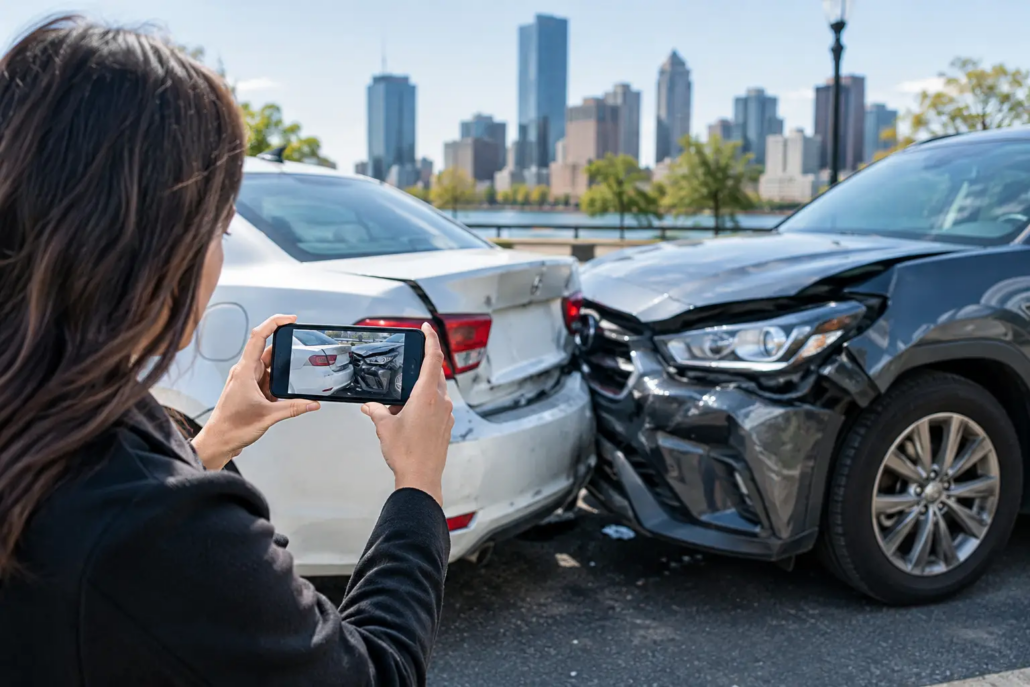
If you are physically able and the scene is safe, take photographs and short video from several angles. Capture the position of the vehicles before they are moved when possible, the damage to every involved vehicle, skid marks, debris, traffic signals, lane markings, weather conditions, and anything that may have obstructed a driver’s view. A wide photo showing the intersection or roadway can be as useful as a close-up of a crushed bumper.
Photograph your visible injuries as well. Bruising, cuts, swelling, and seatbelt marks can become more apparent over the following days, so continue taking dated photos as symptoms change. Do not assume that a lack of dramatic damage means you are not injured. Neck, back, head, and soft-tissue injuries may not be obvious at the roadside.
Exchange information with the people involved, including names, phone numbers, license plate numbers, insurance details, and vehicle descriptions. If you were a passenger, identify both the rideshare driver and any other driver involved. If you were struck by a rideshare vehicle as a pedestrian, cyclist, or occupant of another car, record the rideshare vehicle’s plate number and any visible company markings.
Preserve the Rideshare Trip Details
A rideshare collision is not documented the same way as an ordinary two-car crash. The driver’s status in the app at the moment of impact may affect which insurance coverage applies. A driver may have been offline, logged into the app and waiting for a request, driving to pick up a passenger, or actively transporting a passenger. Those distinctions matter.
Take screenshots of the trip screen before it disappears or changes. Preserve the driver’s name, profile photograph, vehicle description, license plate, pickup and destination information, route map, estimated and actual trip times, receipt, and any ride identification number. If the app offers a way to report a safety incident, make a factual report promptly and save confirmation of the report.
Avoid writing a detailed statement that guesses about fault. It is enough to report that a crash occurred, provide the time and location, identify the parties involved, and describe injuries or vehicle damage you observed. Statements made while you are shaken up can be incomplete, and an early mistake may later be used to challenge your account.
If you were using a family member’s account or a business account, ask the account holder to preserve those trip records immediately. Do not delete texts or messages about the ride, even if they seem unimportant. A text saying you were picked up late, the driver was speeding, or you had just entered the vehicle may help establish a timeline.
Get Independent Witness and Video Evidence
The rideshare app will not capture every fact that matters. Independent evidence is often what clarifies a disputed crash.
Ask witnesses for their names and contact information. A witness who saw a driver run a red light, make an unsafe turn, use a phone, or strike a pedestrian may be difficult to locate once the scene clears. If someone does not want to wait for police, politely ask whether they would be willing to provide a brief written or recorded account on your phone. Do not pressure them. Their contact information alone can be valuable.
Look around for possible cameras. Boston intersections, apartment buildings, storefronts, garages, MBTA stations, hotels, and nearby homes may have surveillance footage. The same is true in busy areas such as Back Bay, Fenway, Seaport, Downtown Crossing, Cambridge, Somerville, and along major commuter routes. Camera footage can be overwritten quickly, sometimes within days.
Make a written note identifying the business or building, its address, the apparent camera location, and the time range that may show the crash. A property owner may decline to provide footage directly, but that does not mean the footage is unavailable. Prompt action may be needed to request that relevant video be preserved.
Create a Clear Record After You Leave the Scene
Memory fades quickly after a stressful collision. As soon as you can, write down what happened in your own words. Include where you were sitting, whether you wore a seatbelt, what you saw and heard before impact, the direction each vehicle traveled, traffic conditions, any comments made by drivers, and what happened immediately afterward.
Be specific about time. Note when you requested the ride, entered the vehicle, the crash occurred, police or emergency personnel arrived, and you received medical treatment. If the ride ended or rerouted in the app, screenshot that information too.
Keep all crash-related materials together. This includes photographs, screenshots, police incident information, towing paperwork, repair estimates, medical discharge instructions, prescriptions, receipts, work absence records, and correspondence from insurers. A simple folder on your phone and a paper file can prevent important items from getting lost.
If your personal property was damaged, photograph it before repair or disposal. Glasses, phones, laptops, child safety seats, bicycles, clothing, and mobility devices may be part of the loss. A car seat involved in a significant crash may need replacement, so preserve the product information and receipt if available.
Seek Medical Care and Follow Through
Medical records do more than document treatment. They connect your injuries to the crash, describe your symptoms, and show the care you needed to recover. Delaying care may give an insurer room to argue that your injury came from something else or was not serious.
Tell medical providers that you were involved in a rideshare crash and accurately describe all symptoms, even those that seem minor. Headaches, dizziness, numbness, sleep disruption, anxiety, and pain with movement deserve attention. Follow recommended appointments and retain discharge papers, bills, and pharmacy receipts.
Massachusetts auto insurance may provide Personal Injury Protection benefits for certain medical expenses and lost wages, regardless of who caused the collision. But PIP is limited and rideshare claims can involve overlapping policies. The available coverage often depends on the driver’s app status, the vehicles involved, and the seriousness of the injuries.
Be Careful With Insurance Calls and Recorded Statements
You may hear from the rideshare company, the driver’s insurer, another driver’s insurer, or your own insurer soon after the crash. Report the collision to your own insurer as required by your policy, but be cautious about giving a recorded statement to an opposing insurer before you understand the full situation.
You do not need to minimize your injuries, accept a quick payment, or agree with an insurer’s version of events. Early settlement offers may arrive before you know whether your injuries will require follow-up treatment, time away from work, or specialized care. The same is true when an insurer asks for broad access to your medical history.
Do not post about the crash, your injuries, or your activities on social media. Even an innocent photo or comment can be taken out of context. Keep communications factual, preserve every letter and email, and do not repair or dispose of key evidence before documenting it.
When Legal Help Can Protect the Evidence
A rideshare crash may look straightforward at first, then become more complicated when parties dispute fault or insurance coverage. The driver may deny being logged into the app. Another motorist may blame the rideshare driver. Video may be at risk of deletion, and the information held by the rideshare company may not be available indefinitely.
An injury lawyer can assess the available evidence, identify potentially responsible parties, and take steps to preserve records such as app data, driver records, electronic communications, vehicle information, and surveillance footage. This can be particularly important when a passenger, pedestrian, cyclist, or family is facing serious injuries and cannot manage calls, paperwork, and deadlines while recovering.
Massachusetts Injury Lawyers is available for a free consultation 24/7 and can travel to injured clients who cannot come to the office. If you are unsure what to save, save more rather than less. The photo, screenshot, witness name, or medical record that feels routine today may provide the clearest account of what happened when the insurance questions begin.


Leave a Reply
Want to join the discussion?Feel free to contribute!