
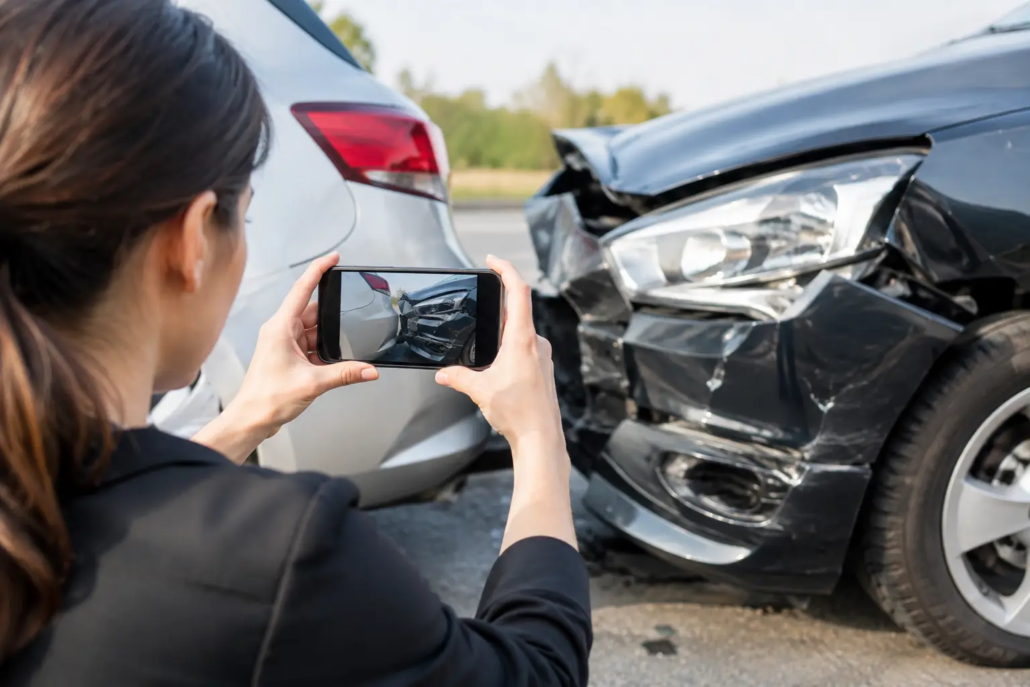
Crash Scene Photographs: What to Document
A crash can turn an ordinary Boston commute into a confusing, painful, and fast-moving scene. If you are physically able and it is safe to do so, crash scene photographs may preserve details that are gone before the vehicles are towed, traffic resumes, or the weather changes. Those images can help explain how a collision happened when an insurer later disputes fault or minimizes the seriousness of an injury.
Photographs are not a substitute for medical care or a police investigation. Your first priorities are getting to safety, calling 911 when necessary, and accepting medical attention. But once those needs are addressed, a careful set of photos can become one of the clearest records available.
Why crash scene photographs can matter
After a motor vehicle collision, people often remember the impact but not every surrounding detail. That is a normal response to shock and pain. The other driver may give a different account later. A police report may be useful, but it may not capture every mark on the roadway, traffic-control device, or vehicle position.
Crash scene photographs create a time-stamped visual record of conditions close to the time of the event. They may help show the severity and location of damage, where vehicles came to rest, whether a crosswalk or bike lane was involved, and whether rain, darkness, construction, or obstructed sight lines contributed to the crash.
They can also help identify evidence that needs to be preserved quickly. A nearby business camera, a rideshare vehicle’s trip records, a construction-zone traffic plan, or a vehicle’s electronic data may become relevant. A photograph of the area can give an attorney a starting point for investigating before those records disappear.
In Massachusetts, fault can affect an injured person’s recovery. Insurers may argue that a driver, pedestrian, or cyclist contributed to a collision. Images do not decide fault by themselves, but they can test whether an insurer’s version of events matches the physical evidence.
What crash scene photographs should show
Start broad, then move closer. Take photographs from several safe angles so the relationship between the vehicles, roadway, lanes, and surrounding area is clear. A single close-up of a dent can be useful, but it often says little about how the collision occurred.
The full setting
Photograph the intersection, highway entrance or exit, parking lot, or roadway where the crash occurred. Include street signs, lane markings, traffic lights, stop signs, yield signs, crosswalks, bike lanes, bus stops, and nearby buildings when possible. In Boston and surrounding communities, road layouts can be unusually tight and confusing, especially where delivery vehicles, pedestrians, cyclists, and rideshare traffic share the same space.
If the collision occurred in a work zone, photograph cones, barrels, temporary signs, lane shifts, flaggers, and barriers. Conditions in a construction area can change quickly. Those details may matter when determining whether a driver, contractor, property owner, or public entity failed to use reasonable care.
Vehicle positions and damage
Take photos showing each vehicle as a whole before focusing on damage. Capture license plates, vehicle make and model, company markings, and any visible rideshare, delivery, or commercial-vehicle identifiers. If a truck is involved, photographs of the trailer, cargo, tires, lighting, and any displayed federal or state numbers may be particularly valuable.
Then photograph damage from multiple distances. Show crushed panels, broken lights, deployed airbags, shattered glass, bumper height, wheel damage, and interior damage if visible. Avoid moving items in a vehicle just to create a better picture. If a vehicle must be moved for safety or at an officer’s direction, take photographs first if you can do so safely.
Roadway conditions and physical evidence
Skid marks, gouges, broken plastic, detached vehicle parts, fluid trails, and debris can help reconstruct the force and direction of a crash. Photograph them from a wider view and a closer view. Include a recognizable reference point, such as a lane line or curb, so the location is understandable.
Also document conditions that may be temporary: standing water, snow, ice, potholes, faded pavement markings, blocked signs, vegetation obstructing a view, or a malfunctioning traffic signal. Do not step into traffic, enter an active roadway, or place yourself at risk to get a photograph. No image is worth another injury.
Visible injuries and personal property
If you have visible bruising, cuts, swelling, or abrasions, photographs may document their early appearance. Continue taking periodic photographs during recovery if changes are visible. Medical records remain essential, but images can help show why prompt treatment was needed and how an injury progressed.
Photograph damaged personal property as well, including a bicycle, helmet, child safety seat, phone, glasses, clothing, or mobility device. Keep the damaged item whenever practical. Do not throw away a broken helmet or authorize major vehicle repairs until the insurance and legal implications have been considered, especially after a serious injury.
How to take useful photos without creating problems
Use your phone’s regular camera settings and keep the original files. Avoid filters, heavy editing, annotations, or screenshots that remove image information. Do not rely only on photos sent through text messages or social media, because compression can reduce quality and original metadata may be lost.
If you can, take both still photos and a slow video walking around the scene from a safe location. Speak sparingly, if at all. A calm visual record is usually more helpful than a recording filled with guesses about fault, anger, or statements made while you are in pain.
Back up the original photos promptly. Save them in more than one secure location and make a note of the date, time, and location. If another person took pictures for you, ask them to preserve the originals and send them without editing. A family member’s photographs can be valuable when an injured person is transported from the scene before they can document anything.
Be cautious about posting images online. A photograph of a wrecked vehicle may feel like a straightforward update for friends and family, but insurers and defense lawyers can scrutinize posts for statements or images they believe conflict with an injury claim. It is generally wiser to keep crash-related images private and share them with your attorney, insurer, and medical providers only as appropriate.
When photographs are not available
Many people cannot take pictures after a serious crash. They may be unconscious, in an ambulance, caring for a child, or simply too shaken to think about documentation. That does not mean they have lost their ability to pursue a claim.
Other evidence may still be available: the police report, 911 recordings, witness accounts, dispatch records, vehicle inspection records, medical documentation, surveillance footage, and photos taken by responding officers or bystanders. The key is acting before evidence is overwritten, repaired, discarded, or forgotten.
An attorney can send preservation requests when there is reason to believe that a business, trucking company, rideshare company, property owner, or another party holds relevant evidence. This is particularly important in collisions involving commercial vehicles, fatal crashes, defective parts, or disputed roadway conditions.
A photograph is evidence, not the whole case
A clear image can be persuasive, but it needs context. The camera angle may not show speed, distraction, impairment, a missed signal cycle, or what occurred seconds before impact. That is why a careful claim also considers witness statements, medical records, vehicle data, repair estimates, and the applicable insurance coverage.
Massachusetts Injury Lawyers can help injured people and families identify what evidence may still exist and take steps to protect it. The sooner the facts are reviewed, the better the chance of preserving the details that tell the real story of the crash.
If you are injured, focus first on your health and safety. Then preserve what you can, keep the original images, and seek guidance before an insurer’s version of the event becomes the only version in the file.


Leave a Reply
Want to join the discussion?Feel free to contribute!