Does Boston Truck Brake Failure Point to a Maker’s Defect?
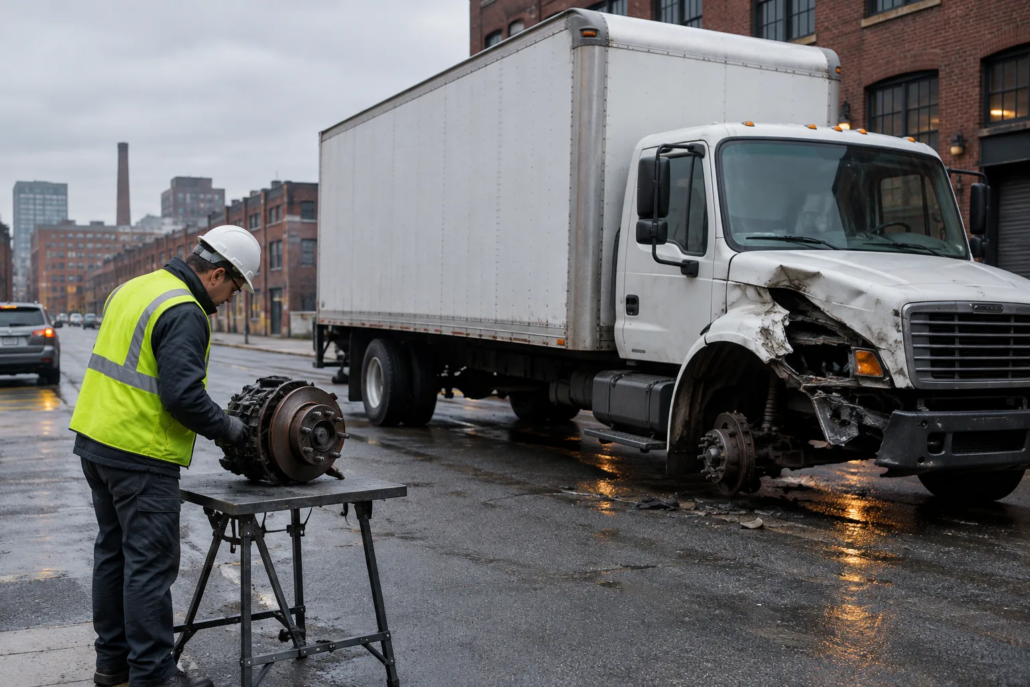
A truck slows for traffic on a Boston street, but its brakes do not respond as expected. A crash follows, and the damaged truck is taken out of service. The fact that the brakes failed matters, but it does not establish why they failed or who may be legally responsible.
Someone searching for a Boston commercial truck brake failure lawyer may be trying to understand whether the incident raises a product-liability question. Neumann can help readers understand the issues that may need investigation. This article explains how investigators distinguish a possible design or manufacturing problem from wear, maintenance or repair issues, overloading, and driver conduct. It also describes why the truck, its components, maintenance history and crash data may help clarify what happened.
When could a Boston truck brake failure point to a product defect?
A brake system can fail or perform poorly for different reasons. A potentially defective part is one possibility, but so are worn components, an incorrect repair, missed maintenance, excessive load, or conditions that affected stopping distance. Investigators generally look at the whole system and its history rather than treating the crash itself as proof of a defect.
A product-liability inquiry may consider whether a part was improperly made, whether a design created an unreasonable safety risk, or whether warnings or instructions were inadequate. The specific theory depends on the evidence and applicable law. A malfunction alone does not show that a product was legally defective or that a manufacturer caused the crash. For a broader overview of how a failed brake may raise a Massachusetts vehicle-defect claim, readers can consider how component condition and alternative causes fit into the analysis.
What can a component inspection reveal?
A qualified inspection may examine brake pads or linings, drums or rotors, hoses, valves, adjusters, electronic controls and other relevant parts. The specific components depend on the truck’s braking system and the reported failure. An investigator may look for fracture patterns, abnormal wear, leaks, contamination, heat damage, improper installation or evidence that a part did not operate as intended.
Findings need context. A damaged component may have been affected by the collision, and wear may reflect use rather than a defect. Comparing physical evidence with service records and other data can help assess competing explanations.
What evidence helps distinguish a brake defect from maintenance or driver fault?
A careful investigation compares the physical condition of the brakes with the truck’s service history and how it was being operated. In Boston, crash documentation may come from the Boston Police Department or Massachusetts State Police, depending on the location and circumstances. MassDOT records may also be relevant when roadway conditions or infrastructure are part of the inquiry. Which records exist, and how they may be accessed, depends on the event and applicable procedures.
Useful evidence may include:
- The truck and brake components: Photographs, inspection findings and the condition of parts can help establish what was present after the crash.
- Maintenance and repair records: Work orders, inspection logs, parts invoices and prior complaints may show when service occurred and what was addressed.
- Crash and vehicle data: Available electronic data, dispatch records, driver statements and scene evidence may help clarify speed, braking inputs, warnings or the sequence of events.
- Load and operating information: Weight, cargo placement, route conditions and driving practices may help investigators evaluate demands placed on the braking system.
No single record necessarily answers the question. For example, a recent repair does not automatically prove faulty work, and an overdue service entry does not by itself establish that maintenance caused a crash. The records must be assessed alongside physical evidence and other plausible causes.
How do manufacturer claims differ from maintenance or driver claims?
A potential claim involving a manufacturer focuses on the product: whether a component or system had a legally actionable design, manufacturing or warning problem, and whether that issue contributed to injury. A claim involving a carrier, maintenance provider or driver instead examines conduct such as inspection and repair practices, operating decisions, loading, or actions behind the wheel. Depending on the facts, more than one cause or responsible party may be considered.
Readers can review Massachusetts product-liability concepts for dangerous products to understand how product theories differ from a general allegation that something went wrong. Separately, maintenance logs, repair history, dispatch information and loading records may provide evidence that may point to Boston trucking-company fault. Driver conduct may also be relevant, but the existence of a crash does not establish negligence.
Why preserving the truck and parts matters
Repairs, disposal or continued use can change the condition of a truck or its components. Prompt documentation and a fair opportunity for qualified parties to inspect the evidence may help preserve information about the failure. The process can involve coordination among owners, insurers and other interested parties; responsibilities and procedures depend on the circumstances. For related guidance, see preserving a damaged vehicle for a post-crash inspection.
Frequently Asked Questions
Does brake failure automatically mean the truck had a defective part?
No. Brake failure describes a problem with performance, not its cause. Investigators may consider a defective component, but they also examine wear, maintenance, repairs, loading, road conditions and driver actions. Physical inspection, records and available crash data help compare those explanations. Whether the evidence supports a legal claim depends on the facts and applicable Massachusetts law, not simply on the fact that the truck did not stop as expected.
Who may inspect a commercial truck after a Boston crash?
Depending on the circumstances, an inspection may involve law enforcement, insurers, vehicle owners, lawyers or qualified technical professionals. A product-liability investigation may require examination of particular brake components and relevant vehicle data. The parties’ ability to inspect and the timing of access can depend on ownership, preservation needs and legal procedures. In Boston-area crashes, the responding agency and the available records vary with the location and event.
Could both a manufacturer and a trucking company be responsible?
Potentially, if evidence supports separate contributions to the crash. A component may have a product issue, while maintenance, repair, loading or operating decisions may also be examined. These possibilities are not conclusions about any particular company or person. Investigators assess the evidence and applicable legal standards to determine whether a claim against one or more parties may be supported.
What if the truck was repaired or the brake parts are unavailable?
That can make it harder to evaluate the failure, but it does not automatically resolve whether a claim exists. Investigators may look for photographs, inspection reports, removed-part records, repair invoices, electronic data and witness accounts. The value of those materials depends on what they show and how reliably they document the truck’s condition. An attorney can assess what evidence may remain available in a particular matter.
How Neumann Can Help
Neumann is dedicated to helping injured people understand the issues that may arise after a commercial truck crash. A review may consider the braking components, maintenance and repair history, crash information, loading and the conduct of people or businesses involved. The goal is to assess whether the available facts raise a product-liability question, a claim involving maintenance or driver conduct, or another issue under the law that applies. Depending on your circumstances, an attorney may explain possible next steps and relevant evidence. Contact Neumann to discuss your situation and request a case evaluation.
The information in this article is for educational purposes only and does not constitute legal advice. Contact a qualified attorney authorized to practice in the jurisdiction that applies to your matter for advice specific to your situation.

Leave a Reply
Want to join the discussion?Feel free to contribute!