
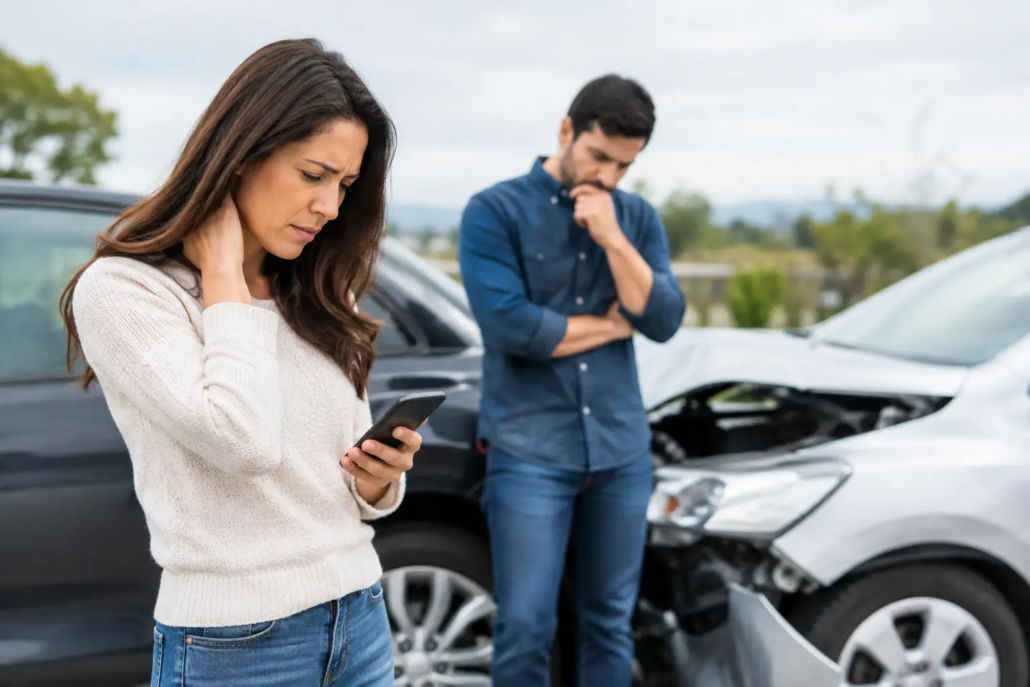
Can Passengers Sue Drivers After a Massachusetts Crash?
A passenger can leave a Boston-area crash with painful injuries, mounting medical bills, and no clear answer about who should pay. They were not behind the wheel, yet they may still face pressure from an insurer to give a statement or accept a quick payment. So, can passengers sue drivers? In many Massachusetts cases, yes. A passenger injured by another person’s negligence may pursue compensation from the driver of the vehicle they were riding in, another driver, or more than one responsible party.
The right path depends on the collision, the available insurance, the severity of the injuries, and the evidence preserved early. A passenger does not need to solve every liability question before getting medical care or reporting the crash. But understanding the issues can help protect a claim.
Can Passengers Sue Drivers in Massachusetts?
Passengers generally have the same right as other injured people to bring a negligence claim. To recover damages, the passenger must show that a driver or other party failed to use reasonable care and that failure caused the injury.
For example, a passenger may have a claim when the driver they were riding with was speeding on Storrow Drive, ran a red light in Boston, drove while distracted, followed another vehicle too closely, or drove while impaired. The passenger may also have a claim against the driver of another car that struck their vehicle. In a multi-vehicle crash, fault may be shared.
Being a guest in the car does not usually mean the passenger gave up the right to seek compensation. This remains true when the driver is a friend, relative, coworker, or rideshare driver. The claim is commonly handled through insurance, although the relationship can make the decision feel personal.
Massachusetts follows a modified comparative negligence rule. In most passenger cases, the passenger did nothing to cause the crash. Still, insurers sometimes argue that a passenger contributed to the injury, such as by knowingly riding without a seat belt or interfering with the driver. Those arguments are fact-specific and should not be accepted without careful review.
Who May Be Responsible for a Passenger’s Injuries?
The answer is not always limited to one driver. Identifying every potentially responsible party matters because serious injuries can exceed a single policy’s limits.
The driver of the vehicle carrying the passenger
A driver owes passengers a duty to operate the vehicle safely. If that driver’s carelessness caused or contributed to a crash, the passenger may file a claim under the driver’s auto insurance coverage. This is often called a claim against the host driver.
Another negligent driver
If another motorist caused the collision, the passenger can pursue that driver’s insurance. A common example is a driver who sideswipes a vehicle in heavy traffic on I-93 or fails to yield while turning across an intersection.
Both drivers in a two-car collision
Crashes are not always all-or-nothing. One driver may have been speeding while another made an unsafe left turn. If both contributed, a passenger may seek compensation from both. The insurance companies may dispute percentages of fault, but the passenger should not be caught in the middle of that dispute.
A rideshare company, employer, vehicle owner, or other party
An Uber or Lyft passenger may have access to commercial rideshare coverage depending on whether the app was on and the ride was active. If a driver was working when the crash occurred, an employer may also be involved. In other situations, the vehicle owner, a company responsible for unsafe maintenance, a bar that overserved an intoxicated driver, or a manufacturer of a defective vehicle part may deserve investigation.
These claims can involve separate policies, records, and notice requirements. Early legal review is particularly valuable where commercial vehicles, rideshare services, or a fatal crash are involved.
Insurance Coverage Often Comes First
Massachusetts is a no-fault insurance state in limited ways. After a crash, Personal Injury Protection, or PIP, benefits may cover certain medical expenses and lost wages regardless of who caused the collision. PIP is often the first source of available benefits, but it is limited and may not cover the full financial impact of a serious injury.
A passenger may also bring a liability claim against an at-fault driver when the injury meets Massachusetts’ legal threshold. This can include situations involving more than $2,000 in reasonable medical expenses, a fracture, significant and permanent disfigurement, or other serious injuries recognized by law. The details matter, especially when medical treatment is ongoing.
Liability coverage can compensate an injured passenger for losses that PIP does not fully address, including pain and suffering, additional medical care, lost earning capacity, and other damages. If the at-fault driver has little or no insurance, uninsured or underinsured motorist coverage may be available through the passenger’s own policy or, in some circumstances, a household policy or the vehicle policy.
Do not assume that the driver’s insurer is the only possible source of recovery. At the same time, do not assume every policy applies. Policy language, exclusions, coverage limits, household relationships, and the facts of the crash can change the analysis.
What Evidence Helps a Passenger’s Claim?
The strongest cases are built on facts gathered before they disappear. Police reports can be useful, but they are not the final word on fault. An officer may not have spoken to every witness or may not have access to video footage that later becomes available.
Medical records are equally important. Seek prompt medical attention after a crash, follow treatment recommendations, and tell providers about every symptom. Headaches, dizziness, neck pain, numbness, and psychological trauma may not be obvious at the scene. A gap in treatment can give an insurer room to question whether the crash caused the injury.
Other useful evidence may include photographs of the vehicles and scene, names and contact information for witnesses, surveillance video from nearby businesses or residences, traffic-camera footage, 911 recordings, vehicle event data, and rideshare trip records. For a crash involving a truck or company vehicle, driver logs, inspection records, dispatch communications, and maintenance documents may be critical.
A passenger should also save receipts, missed-work information, medication costs, and communications with insurers. Avoid posting details or images of the collision and injuries on social media while a claim is pending. Insurers may look for posts they can use out of context.
What if the Passenger Knows the Driver?
This is one of the most common concerns. People often hesitate to make a claim because the at-fault driver is a spouse, friend, family member, or coworker. But an injury claim is usually directed to the driver’s insurance coverage, not an effort to take a loved one’s personal assets.
That does not mean there are never personal consequences. Insurance limits may be inadequate, policy exclusions may apply, and a lawsuit may be necessary if the insurer refuses a fair resolution. Still, a passenger should not bear the financial cost of another person’s negligent driving simply because of a personal relationship.
The same concern arises after a rideshare crash. The passenger may worry that pursuing a claim will harm a driver’s livelihood. Yet the purpose of available insurance is to address the losses caused by a collision. A careful claim can focus on the responsible coverage while preserving the evidence needed to establish what happened.
Timing Matters After a Massachusetts Crash
Massachusetts deadlines can limit a passenger’s ability to recover. Many personal injury claims must be filed within three years, but waiting until the deadline approaches is risky. Video may be overwritten, witnesses may forget key details, damaged vehicles may be repaired or destroyed, and insurers may build their position before the injured person has a full picture of their losses.
There may be shorter notice requirements if a government entity, public transportation provider, or another public body is involved. A crash caused by an MBTA vehicle, a dangerous roadway condition, or a government-operated vehicle can raise additional rules.
Before providing a recorded statement, signing a medical authorization, or accepting a settlement, a passenger should understand the full scope of the injury and the insurance coverage involved. A quick settlement may not account for future treatment, time away from work, or lasting pain.
A passenger did not choose to take control of the wheel, but they should not lose control of their claim. After getting medical care, preserve what you can, keep insurance communications organized, and seek prompt guidance if fault or coverage is disputed. Massachusetts Injury Lawyers can review the circumstances of a crash in a free consultation and help injured passengers understand the options available while they focus on recovery.


Leave a Reply
Want to join the discussion?Feel free to contribute!