
How to Prove Distracted Driving After a Crash
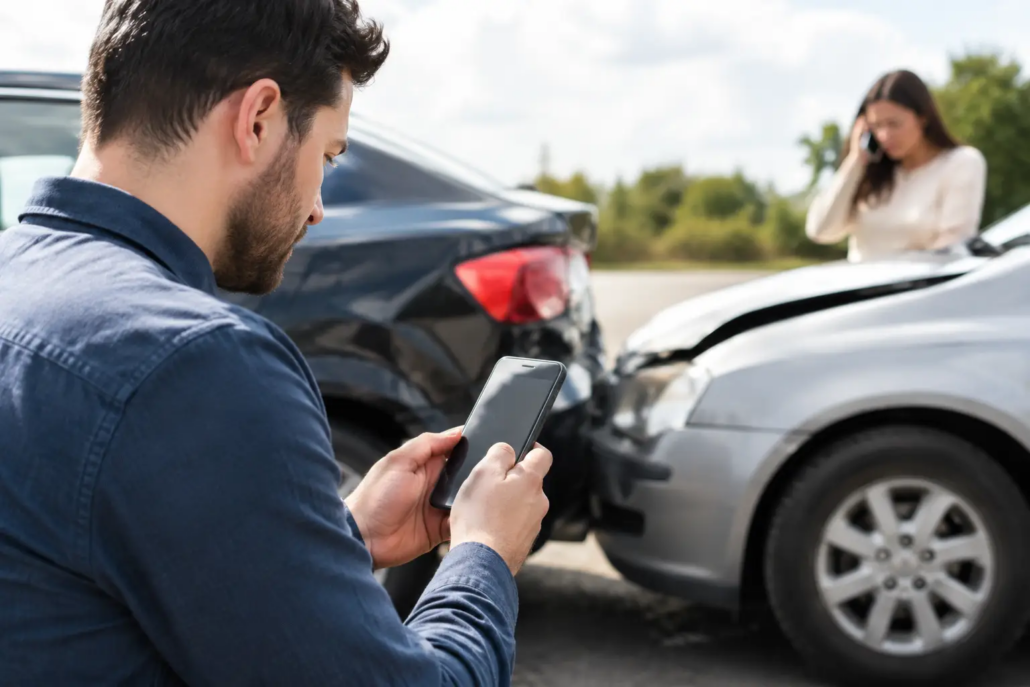
A driver looks down for two seconds at a text, a navigation alert, or a delivery app notification. At Boston traffic speeds, that brief lapse can be enough to cause a rear-end collision, a pedestrian strike, or a crash in a busy intersection. Knowing how to prove distracted driving matters because the other driver may deny using a phone, and the most useful evidence can disappear quickly.
For an injured person, the issue is not simply whether a driver was distracted. The question is what reliable facts can show that distraction contributed to the crash. A Massachusetts injury claim may depend on preserving those facts before an insurer, vehicle owner, or company has an opportunity to lose, overwrite, or dispute them.
What Counts as Distracted Driving?
Distracted driving is broader than texting. A driver may be visually distracted by looking away from the road, manually distracted by handling a device or object, or cognitively distracted by focusing on something other than driving. Often, more than one type is involved.
Cellphone use is a common focus because Massachusetts law generally prohibits drivers from holding and using a mobile electronic device while operating a vehicle. But a claim can also involve a driver adjusting a GPS device, eating, reaching into the back seat, interacting with passengers, applying makeup, watching a video, or using a work-related dispatch system.
A traffic citation can help establish what happened, but it is not required to bring an injury claim. Likewise, the absence of a citation does not mean the driver was paying attention. Police officers frequently arrive after the collision, when the device may be put away and the driver may have already offered an innocent explanation.
How to Prove Distracted Driving With Evidence
The strongest cases rarely rest on one fact alone. They connect physical evidence, witness accounts, electronic records, and the driver’s conduct before and after impact. Each source can fill a gap left by another.
Start with the crash scene and vehicle damage
Photographs can show where vehicles came to rest, the severity and location of damage, lane markings, traffic signals, sight lines, weather, and roadway conditions. In a rear-end crash, for example, a lack of braking evidence combined with substantial front-end damage may support the argument that the following driver failed to notice stopped traffic.
The scene may also reveal more subtle evidence. A phone on the floorboard, an open food container, a loose laptop, or a navigation screen can be relevant. Do not enter an unsafe roadway or handle another person’s belongings to look for proof. Take photographs from a safe position, seek medical care, and tell responding officers what you observed.
Identify witnesses before memories fade
Independent witnesses can be especially persuasive because they have no financial stake in the outcome. A person waiting at a bus stop may have seen the driver looking down. Another motorist may have observed the vehicle drifting, speeding up and slowing down unpredictably, or failing to respond to a red light.
Ask for names and contact information if you are physically able. If not, a police report may identify witnesses, although reports do not always include everyone who saw the crash. Witness memories can change quickly, so prompt follow-up matters.
Preserve video from nearby cameras
In Boston and surrounding communities, useful footage may come from nearby businesses, apartment buildings, parking garages, transit locations, private homes, or other vehicles. Dash cameras and doorbell cameras can capture a driver’s movements immediately before a collision.
Video systems often overwrite recordings within days or weeks. A prompt preservation request may be necessary to give the camera owner notice that the footage could be important. Do not assume that a business will retain a recording simply because an accident occurred nearby.
Seek electronic and phone records through the proper process
Phone activity near the time of impact can be powerful evidence, but it must be interpreted carefully. A record may show that a phone was active, yet it may not establish who was using it or exactly what the driver was doing. Hands-free calling may be lawful in some circumstances, but it can still be relevant if the driver’s attention was impaired.
Cellphone records, app data, vehicle infotainment records, and data from a commercial vehicle are not usually available just because an injured person asks for them. An attorney may seek to preserve and obtain evidence through the legal process. This can include records showing calls, texts, data use, app activity, GPS information, or event data from the vehicle itself.
Electronic evidence is time-sensitive. Some data is retained only briefly, while a damaged vehicle may be repaired, salvaged, or destroyed before it can be inspected.
Evidence That May Matter in a Massachusetts Claim
A distracted-driving investigation can involve many records, depending on the crash and the people involved. The following evidence is often worth preserving:
- Police reports, 911 recordings, dispatch logs, and officer body-camera footage
- Photographs, dash-camera video, surveillance footage, and witness statements
- Cellphone, navigation, social media, and vehicle data connected to the time of the collision
- Vehicle repair records, crash-data downloads, and evidence of braking or steering inputs
- Employer, rideshare, delivery-service, or fleet records when the driver was working
Commercial and rideshare crashes can raise additional questions. Was the driver logged into a rideshare app? Was a delivery driver checking a route, communicating with dispatch, or rushing to meet a deadline? Did an employer have a policy against device use and fail to enforce it? Those facts may affect not only how the crash occurred, but also which parties may bear responsibility.
What You Should Do After Suspecting Driver Distraction
Your first priority is medical care. Adrenaline can mask serious injuries, and delaying treatment may jeopardize both your health and the documentation connecting your injuries to the crash.
When reporting the collision, state concrete observations rather than guessing. If you saw the driver holding a phone, say that. If the driver admitted looking at directions or checking a message, write down the words used, the time, and who heard the statement. Avoid arguing with the other driver or trying to inspect their phone.
You should also keep copies of medical records, bills, missed-work information, repair estimates, and communications from insurers. Insurance adjusters may contact you early and ask for a recorded statement or broad medical authorization. Their questions can be framed to minimize distraction, shift fault, or obtain statements before the full extent of your injuries is known.
A quick settlement offer may not account for future treatment, lost income, or the work needed to secure electronic evidence. It is reasonable to ask for time to understand your injuries and the facts before accepting payment or signing releases.
Does Shared Fault Affect a Distracted Driving Case?
It can. Massachusetts follows a modified comparative negligence rule. If an injured person is found partly at fault, their compensation may be reduced by their percentage of responsibility. If they are found more than 50% at fault, they may be barred from recovering damages from the other party.
That does not mean an insurer can simply claim that you were distracted and end the matter. The evidence should be examined fairly. In a collision involving a pedestrian, cyclist, or driver, details such as traffic signals, speed, visibility, right-of-way, and each person’s actions all matter.
Distracted driving can also exist alongside other negligence. A driver may have been using a phone while speeding, following too closely, driving while fatigued, or failing to yield. Building the full picture is often more effective than relying on a single accusation.
Why Early Legal Help Can Protect Key Evidence
The evidence needed to prove distraction is often controlled by someone else: a phone carrier, a business, a rideshare company, an employer, an insurer, or the at-fault driver. Waiting too long can mean video is overwritten, a vehicle is repaired, or records become harder to obtain.
Massachusetts Injury Lawyers can evaluate the circumstances of a crash, help preserve available evidence, and explain the insurance and liability issues affecting your claim. A free consultation can be particularly valuable when serious injuries, a commercial vehicle, a rideshare driver, or conflicting accounts are involved.
If you suspect the driver who hit you was distracted, write down what you remember while the details are still clear, protect your medical care, and get advice before the evidence that could explain the crash is gone.


Leave a Reply
Want to join the discussion?Feel free to contribute!