
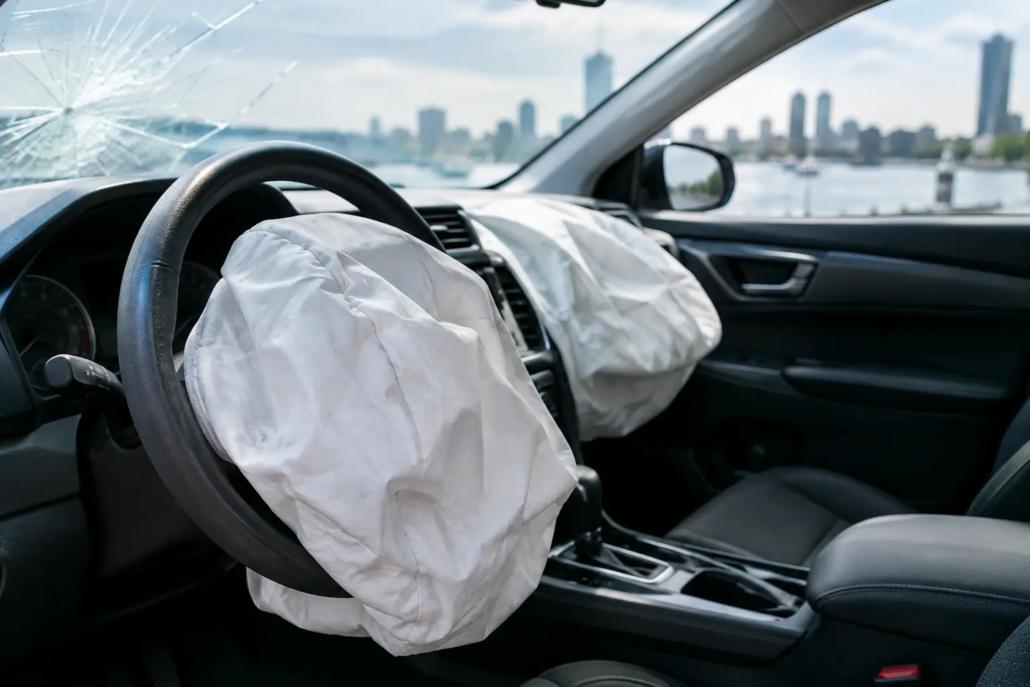
What If an Airbag Fails During a Massachusetts Crash?
A collision can change the course of a day in seconds. When the airbag that should have helped protect you does not deploy, deploys late, or explodes with unusual force, the injuries may be far worse than anyone expected. People searching “what if airbag fails” are usually dealing with more than a vehicle problem. They may be facing head trauma, broken bones, burns, medical bills, and difficult questions about whether another party could have prevented the harm.
The answer depends on why the airbag failed and what happened in the crash. In Massachusetts, an injured person may have a claim against a negligent driver, a vehicle manufacturer, a repair facility, or more than one party. The vehicle itself can become critical evidence, so the actions taken in the days after a crash can affect whether the true cause is ever identified.
What If an Airbag Fails? Start With Medical Care and Evidence
An airbag does not have to deploy in every collision. Deployment is determined by crash forces, impact direction, sensor data, seat-belt use, and the vehicle’s safety system design. A low-speed impact or certain side and rear-end crashes may not trigger a particular airbag, even when occupants are injured.
But a nondeployment can still warrant investigation when the crash was severe enough that the system reasonably should have activated. The same is true when an airbag deploys unexpectedly, deploys after an unexplained delay, or causes injuries beyond the risks ordinarily associated with a functioning restraint system.
Your health comes first. Seek prompt medical evaluation, even if you initially feel able to walk away. The absence of an airbag can mean your body absorbed greater force through the steering wheel, dashboard, door, or windshield. Concussions, internal injuries, spinal damage, and soft-tissue injuries are not always obvious at the scene.
Once immediate medical needs are addressed, preserve what you can. Photographs of the vehicle interior, impact points, seat belts, dashboard warning lights, and airbag compartments may help explain what occurred. Keep copies of the police report, towing paperwork, repair estimates, hospital records, and insurance correspondence. If there were witnesses, their contact information may become more valuable as memories fade.
Most of all, do not authorize the vehicle to be repaired, dismantled, sold, or scrapped before the airbag system can be evaluated. Insurers may move quickly to declare a vehicle a total loss. That can be understandable from a property-damage perspective, but it can create a serious problem if the car contains the evidence needed to investigate a safety-system failure.
Why Airbags Fail or Cause Injuries
An airbag issue is not always a manufacturing defect. A careful investigation should consider the full chain of events rather than assume one explanation.
A defective airbag system may involve a faulty crash sensor, wiring problem, control module error, defective inflator, software issue, or a design that did not provide reasonable protection in a foreseeable crash. Some vehicles have been subject to recalls involving airbag inflators that could rupture and send metal fragments into the passenger compartment. A recall does not automatically prove legal responsibility, but it may be a major fact in the case.
Maintenance and repair history can matter as well. A prior collision repair may have affected sensors, wiring, or airbag components. If a repair shop used improper parts, failed to reconnect a safety component, or failed to identify a known problem, the shop’s work may need close review.
In other cases, the vehicle’s airbag system performed as designed, but another driver’s negligence caused the crash and the resulting injuries. A driver who runs a red light, follows too closely on the Mass Pike, or makes an unsafe turn through a Boston crosswalk can still be responsible for the harm caused by the collision, including injuries made more severe because an airbag did not deploy.
This distinction matters because the available insurance coverage and legal claims may differ. A case can involve both a negligence claim against the at-fault driver and a product-liability claim against a manufacturer or other business. These claims are not mutually exclusive.
Preserving the Vehicle Can Protect Your Claim
Modern vehicles record more information than many people realize. Depending on the vehicle, data may show pre-crash speed, braking, steering input, seat-belt status, crash severity, and airbag deployment commands. That information can support or challenge competing accounts of what happened.
A qualified inspection may also examine the airbag control module, sensors, diagnostic codes, restraint components, maintenance records, and vehicle condition. This work should be done before evidence is lost. Once a damaged car is crushed, key questions about the safety system may be impossible to answer.
If an insurance company, tow yard, body shop, lender, or salvage company has possession of the vehicle, written notice may be necessary to request that it be preserved. Do not assume that telling an adjuster over the phone is enough. Records showing who owned the vehicle, who serviced it, and whether it was subject to an open recall can also be relevant.
The crash scene itself may contain evidence. For a Boston-area collision, nearby businesses, residential buildings, transit facilities, or traffic cameras may have recorded the impact. Surveillance footage is often overwritten quickly. A police report may identify witnesses, but it may not answer the technical question of why an airbag did or did not deploy.
Insurance Issues After an Airbag Failure in Massachusetts
Massachusetts auto insurance commonly includes Personal Injury Protection, or PIP, benefits. PIP may help with certain medical expenses and lost wages regardless of fault, subject to policy terms and limits. It does not resolve the larger question of who should ultimately pay for serious injuries.
When another driver caused the crash, a claim may be made against that driver’s liability coverage. If the driver has little or no available insurance, uninsured or underinsured motorist coverage may be relevant. For people injured while riding in an Uber, Lyft, taxi, or other vehicle, determining the applicable coverage can be more complicated because the driver’s status at the time of the crash can affect available policies.
Product-defect claims bring additional insurance and legal issues. Manufacturers and repair businesses often have their own investigators and experts. They may argue that the crash was not severe enough to trigger deployment, that the vehicle was previously damaged, that repairs altered the system, or that the occupant’s position contributed to the injury.
Those arguments require evidence, not assumptions. Massachusetts law can also consider whether an injured person’s conduct played a role in the outcome. For example, seat-belt use, vehicle modifications, and the accuracy of the crash account may be examined. Even when those issues arise, they do not automatically end a claim. They are facts to assess carefully.
Who May Be Responsible for an Airbag Failure?
Liability may extend beyond the person behind the wheel. Depending on the evidence, responsible parties could include the at-fault driver, vehicle manufacturer, airbag or component manufacturer, dealership, repair facility, vehicle owner, rental company, or a business responsible for maintaining a fleet vehicle.
A defective-vehicle case can become especially complex when the car was used, leased, borrowed, or involved in a prior crash. It may be necessary to determine whether recall notices were sent, whether repair work was completed, whether the vehicle was altered, and whether anyone knew of a safety problem before the collision.
Families should be cautious about accepting a quick settlement before these questions are explored. An early offer may address visible vehicle damage while overlooking future medical care, lost earning capacity, chronic pain, scarring, or the separate consequences of a failed safety device. Once a release is signed, reopening a claim can be difficult.
Practical Steps to Take in the Days After the Crash
Follow your treatment plan and tell your providers about every symptom, including headaches, dizziness, numbness, sleep disruption, anxiety, and pain that worsens with activity. Medical records often become the clearest record of how the collision affected daily life.
Avoid posting detailed crash statements, photographs, or speculation on social media. Do not guess about why the airbag failed when speaking with an insurer. You can report the facts: the location, impact, injuries, whether the airbag deployed, and where the vehicle is located. A technical cause should be determined through inspection.
Keep a simple written record of missed work, appointments, prescriptions, mileage, household help, and changes in your ability to care for children or perform routine tasks. These details can help show the real effects of an injury that may not be visible in a single medical bill.
When a crash involves serious injury and a possible safety-system failure, timely legal guidance can help protect the vehicle and other evidence while you focus on recovery. Massachusetts Injury Lawyers at Neumann Law Group offers free consultations, is available 24/7, and can travel to injured clients who cannot come to the office. The most helpful next step is often taken early: get medical care, preserve the vehicle, and make sure the facts have a chance to be fully investigated.

Leave a Reply
Want to join the discussion?Feel free to contribute!