
Where Can Boston Drivers Find Uninsured Crash Coverage?
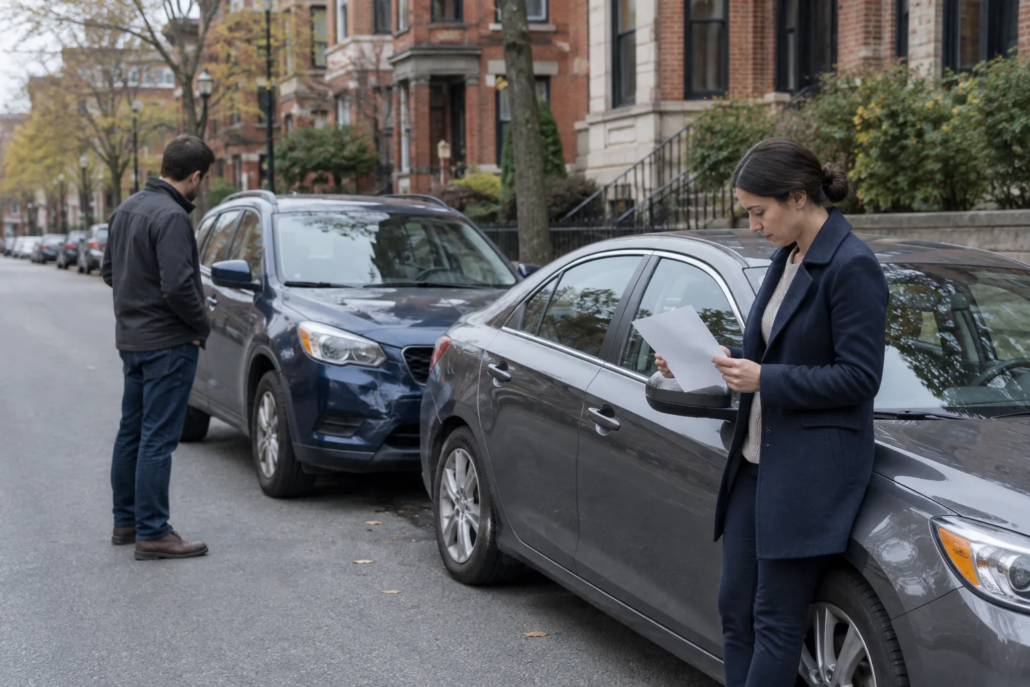
After an uninsured-driver crash in Boston, the at-fault driver may not have an insurance policy available to pay an injury claim. That does not always mean there are no coverage options. A Boston uninsured motorist accident claim may involve benefits under your own auto policy, a household member’s policy, or another policy connected to the crash. The right starting point is to identify every potentially relevant policy and understand what each one may cover.
Neumann helps people understand the insurance questions that can arise after a serious motor vehicle collision. This guide explains how uninsured and underinsured motorist coverage differ, where else coverage might be available, and what crash, injury, and insurance information can help an insurer evaluate a claim. Coverage depends on policy language and the facts, so the possibilities below are general rather than a determination of any individual claim.
Where to look for coverage after an uninsured-driver crash in Boston
Massachusetts auto policies generally include uninsured motorist (UM) bodily injury coverage. It may provide a path to seek benefits under an applicable policy when an at-fault driver has no insurance, subject to the policy terms and the circumstances of the crash. UM coverage is different from a claim against the uninsured driver personally, and an insurer may review questions such as who was involved, how the crash happened, and whether the policy applies.
Underinsured motorist (UIM) coverage addresses a different problem: the at-fault driver has insurance, but the available liability coverage may not be enough to address the covered losses. UIM may be available through an injured person’s policy, but its limits, conditions, and interaction with the other driver’s coverage depend on the policy. Not every policy includes the same optional benefits.
Check policies beyond your own
Start by identifying the policy covering the vehicle you were in and any auto policy in your household. A household member’s policy is not automatically available just because of a family relationship or shared address; definitions and exclusions in the policy can matter. A Massachusetts court’s analysis of household-member insurance coverage illustrates why the policy wording and circumstances deserve careful review.
Passengers may also need to ask about the vehicle owner’s and driver’s policies, not only their own. These insurance options for a passenger injured in a Boston crash can differ from the options available to a driver. The relevant policies may depend on vehicle ownership, who was driving, and the injured person’s relationship to the people insured.
Other coverage that may help while a UM or UIM claim is assessed
UM and UIM are not the only possible sources of help. Massachusetts Personal Injury Protection (PIP) is a separate, no-fault benefit under an applicable auto policy. Depending on eligibility and the policy, it may help with certain medical expenses and lost wages without first resolving who caused the crash. It is not the same as compensation sought through a UM or UIM claim, and it may be subject to limits and coordination rules. See more about Massachusetts PIP benefits after a Boston crash.
Health insurance may also be relevant to medical bills, depending on the plan and circumstances. If the collision involved a work-related trip, other coverage questions may arise as well. A vehicle’s collision coverage may address damage to that vehicle under its own terms, but bodily-injury UM benefits and vehicle-repair coverage are different questions. Do not assume one policy covers every kind of loss.
When the other driver has some insurance, ask what bodily-injury limits apply and whether other injured people are making claims against the same policy. How multiple injury claims can affect Boston auto policy limits may help explain why the total available coverage can matter. If that coverage is inadequate, a UIM claim may be worth evaluating, but the policy and applicable requirements determine whether it can proceed and how benefits are calculated. Insurers may also have notice, cooperation, or consent provisions, so policy-specific review is important before making decisions about a settlement.
How to start a claim and organize the information
A practical first step is to collect the details that help identify the crash, the people involved, and the insurance in play. Depending on your circumstances, useful records may include:
- The crash date, location, vehicles, drivers, passengers, and contact information for witnesses.
- A crash report or other available record from the responding agency, along with photographs or video of the scene and vehicle damage.
- Insurance cards, policy declarations, claim numbers, and correspondence from any insurer.
- Medical bills and records, along with information about missed work or other claimed losses.
Notify potentially relevant insurers and keep a record of communications. Steps for an uninsured motorist claim in Massachusetts can include giving notice and preserving claim information, but the applicable policy may set specific requirements. An insurer’s request for information does not, by itself, establish that a claim is covered or determine its value.
Avoid assuming that a driver’s lack of insurance ends the inquiry, or that an insurer’s first coverage position resolves every possible policy. Do not make assumptions about household coverage based only on who lives with you, and keep copies of documents you provide. Massachusetts deadlines may apply to injury lawsuits as well as notice requirements in an insurance policy; insurer discussions do not necessarily pause a legal deadline. Review deadlines that may apply to Boston car accident claims with a qualified attorney if timing is uncertain.
Frequently Asked Questions
What if the other driver left before I could get insurance details?
A driver’s departure may make it harder to identify insurance, but it does not automatically answer whether a UM claim is available. The policy may set requirements for reporting and documenting an unknown or uninsured vehicle, and the facts can matter. A crash report, witness information, photographs, and prompt notice to the potentially relevant insurer may help clarify what happened and what policy provisions apply.
Does uninsured motorist coverage pay to repair my car?
UM coverage discussed in this article concerns bodily injury, not necessarily damage to a vehicle. Vehicle repairs may involve collision coverage or another applicable property-damage policy, depending on who owns the car and what coverage was purchased. The policy documents can help distinguish these coverages. An insurer or attorney can explain how the available policies may apply to the particular vehicle and loss.
Can I use my health insurance while an auto claim is pending?
Health insurance may be one way medical bills are handled while responsibility or auto coverage is being reviewed, but the rules depend on the health plan and the circumstances. Auto benefits, including PIP where applicable, may also affect payment or coordination. Keep records of bills and insurance communications, and ask the relevant insurers how they handle claims and any reimbursement rights that may apply.
What if the insurer and I disagree about who caused the crash?
A disagreement about fault does not by itself establish whether a UM or UIM benefit is available. The insurer may evaluate evidence such as the crash report, photographs, witness accounts, and vehicle damage, along with policy terms. Keep relevant records and note communications. If the disagreement affects coverage or a claim deadline, a Massachusetts attorney can explain options based on the evidence and policy language.
How Neumann Can Help
Neumann is dedicated to helping injured people understand the insurance issues that can follow a Boston crash. The firm can review available policy information, help identify questions about UM, UIM, PIP, and other possible coverage, and assess what records may be useful in evaluating a claim. Every situation depends on its facts and the terms of the policies involved; no particular result can be promised. Contact Neumann to discuss your circumstances and request a consultation or case evaluation.
The information in this article is for educational purposes only and does not constitute legal advice. Massachusetts laws and insurance terms may change; contact an attorney licensed in Massachusetts for advice specific to your situation.

Leave a Reply
Want to join the discussion?Feel free to contribute!