
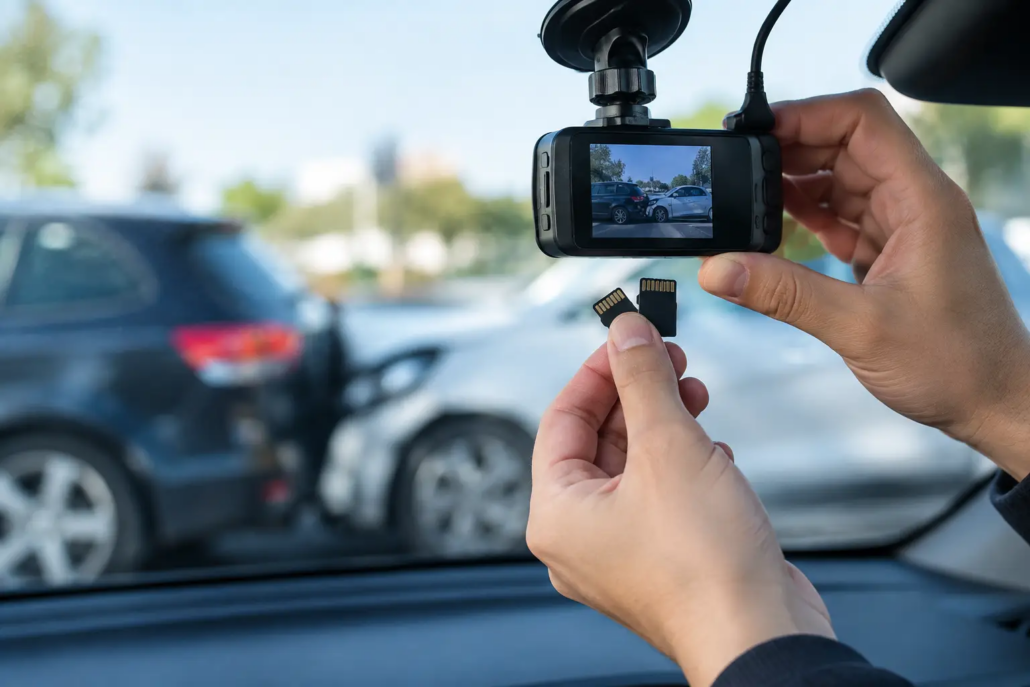
How to Preserve Dashcam Footage After a Crash
A dashcam can capture the few seconds that change an entire injury claim: a driver running a red light on Commonwealth Avenue, a truck drifting across lanes on I-93, or a vehicle failing to yield to a pedestrian in a marked Boston crosswalk. But recording an incident is not the same as keeping usable evidence. To preserve dashcam footage after a crash, you need to act before the device records over the file, the video is altered, or questions arise about whether it is complete.
For an injured person, this work should not come before medical care. If you can safely do so, however, protecting the original recording may give your attorney and insurers a clearer account of what occurred than competing driver statements alone.
Why Dashcam Footage Can Matter in a Massachusetts Claim
Dashcam video may show vehicle positions, traffic signals, lane markings, weather, speed, braking, road hazards, or the actions of drivers and pedestrians immediately before impact. It can also capture audio, including a horn, a collision, or statements made at the scene.
That evidence can be especially valuable when fault is disputed. Massachusetts follows a modified comparative negligence rule in most injury claims. A person who is found more than 50 percent responsible generally cannot recover damages from another negligent party. When each side tells a different story, a clear recording can affect how an insurer, attorney, or jury evaluates responsibility.
Footage is not automatically decisive. A camera may have a limited field of view, poor night resolution, missing audio, or an incorrect date and time setting. Even so, it can support other evidence, including photographs, witness accounts, police reports, vehicle damage, medical records, and nearby surveillance video.
Preserve Dashcam Footage Before It Is Overwritten
Many dashcams use loop recording. Once the memory card is full, the camera records over older files. Some models lock a file after detecting an impact, but that feature is not foolproof. A collision may not trigger the sensor, the sensitivity settings may be wrong, or the card may be damaged.
As soon as it is safe, stop the dashcam from continuing to record. Turn off the vehicle or camera if doing so will not create another safety concern. Do not rely on a locked-file icon without checking whether the relevant video is actually there.
Remove the memory card only if you can do it carefully and know how the device works. Otherwise, leave it in place and prevent the car from being driven until the footage can be copied. If the vehicle is towed, tell the towing company and repair shop that the dashcam and its memory card must not be removed, reset, or discarded.
Create at least two copies of the recording. Keep the original memory card in a secure location and make copies to separate storage devices or secure cloud storage. The original file matters because it may contain metadata showing when it was created and how it was recorded.
Do not edit the video, add captions, crop it, apply filters, or convert it into a social-media clip as your only copy. A shorter version may be useful for viewing, but editing can create arguments that important context was removed. Preserve the entire relevant time period, including several minutes before and after the collision when possible.
Document What You Saved
A simple written record can help establish that the video is authentic and has not been changed. Write down the date and time you saved it, the dashcam make and model, the camera’s location in the vehicle, and the name of the person who handled the card or file.
Also note whether the dashcam clock appeared accurate. Many devices display the wrong year, time zone, or time after a battery failure. That does not make the recording useless, but it is better to identify the problem early and compare the footage with other known facts, such as the 911 call time, police report, phone photos, or GPS data.
If a family member or friend retrieves the card because you are receiving medical treatment, they should record what they did and avoid making changes to the source file. This is part of maintaining a clear chain of custody: a practical record of where evidence came from and who controlled it.
Do Not Post the Recording Online
Posting crash footage can create problems even when you believe it proves the other driver was at fault. A short clip may invite comments, identify injured people, reveal private audio, or give an insurer a chance to characterize the event before the full evidence is reviewed. It may also expose details about your location, driving, passengers, or statements made after the crash.
Share the original recording only with people who need it for the claim, such as your attorney, insurer, or law enforcement. Before sending it, retain an untouched copy. Email and text-message attachments can be compressed, stripped of metadata, or too large to transmit reliably.
What if Another Driver Has Dashcam Video?
The other driver, a rideshare vehicle, a commercial truck, or a witness may have captured the collision from an angle that your camera did not. Their recording may be vital, but you should not assume it will be kept voluntarily. Dashcam footage may be overwritten within days.
At the scene, if you are physically able, ask witnesses whether they recorded the event and obtain their names and contact information. You can politely ask a driver to preserve any dashcam or phone video, but avoid arguing about fault or trying to take another person’s device.
For commercial vehicles, the need for prompt action is even greater. A truck, delivery van, bus, or company-owned vehicle may have dashcam video, inward-facing camera data, GPS records, electronic logging data, inspection records, and other evidence controlled by the company. A preservation letter from an attorney can formally request that relevant evidence not be destroyed. The letter does not guarantee cooperation, but it puts the company on notice that the material may be needed in a claim or lawsuit.
Request Other Video Quickly
Dashcams are only one source of visual evidence. Nearby businesses, apartment buildings, parking garages, transit facilities, and homes may have cameras facing an intersection, driveway, sidewalk, or roadway. In Boston and surrounding communities, footage from a corner store or building entrance may disappear after a short retention period.
Take photographs showing the locations of cameras if you can. Record the business name, street address, and approximate camera direction. A property owner may decline an informal request, and they may not be required to give a copy directly to you. Still, identifying the system quickly allows your attorney to request preservation before the recording is routinely deleted.
Police body-camera footage, cruiser video, 911 audio, and traffic-related records may also exist, depending on the agency and circumstances. These records have different procedures and retention practices. An attorney can help determine what to request and when.
Protect the Footage From Insurance Pressure
You may be asked for a recorded statement or asked to send video soon after a crash. Your own insurer may have duties under your policy, but that does not mean you should casually provide an edited clip or make conclusions about fault while you are injured and still learning what happened.
The right approach depends on the policy, the type of claim, and who is requesting the material. Do not hide or destroy relevant footage. Instead, preserve it in full, understand what it shows, and consider getting legal advice before turning over evidence to an opposing insurer or signing broad authorizations.
This is particularly important after a serious crash involving a rideshare driver, truck, pedestrian, cyclist, uninsured motorist claim, or multiple vehicles. Liability may involve more than the person behind the wheel, and early video can disappear while insurers sort out coverage.
When Injury Prevents You From Acting
After a concussion, fracture, surgery, or traumatic event, it is reasonable to put recovery first. Ask a trusted person to secure the vehicle, photograph the dashcam setup, and preserve the card or device without editing it. If you do not know whether the footage exists, tell your attorney or a family member the make of the camera and where it is installed.
Massachusetts Injury Lawyers can help injured people and families identify evidence that needs immediate protection, including dashcam files, business surveillance, commercial vehicle data, and records held by insurers or property owners. Early action can reduce the chance that a critical recording is lost while you focus on treatment.
A crash may leave you with more questions than answers, but evidence does not wait for recovery. Protect the original footage, keep a clear record of what you saved, and seek guidance quickly when another person or company controls the video.


Leave a Reply
Want to join the discussion?Feel free to contribute!