
What Evidence Matters After a Boston Worksite Ladder Fall?
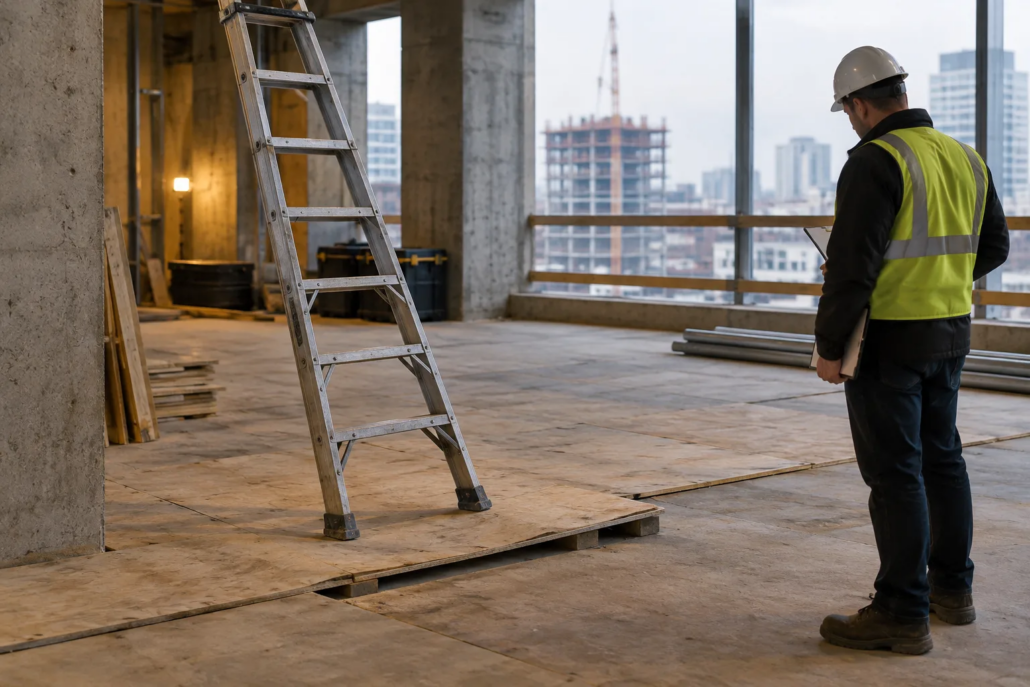
A ladder fall on a Boston construction site can leave an injured worker with a basic but important question: did something fail in the ladder, or did the way it was selected, placed, or used contribute to the fall? A Boston construction ladder accident may involve more than one factor, and the distinction can matter when workers’ compensation benefits and possible claims involving other parties are considered. Neumann can help readers understand the kinds of evidence that may clarify the circumstances. This article explains what to note about the ladder and work area, why identifying who owned or controlled the equipment may matter, and how product-related concerns differ from setup, condition, and training issues. The goal is not to decide responsibility from a brief description; it is to show why specific observations and records can provide a clearer account of what happened.
What Can Show Whether a Boston Construction Ladder Accident Involved a Defect or Setup?
A ladder that shifts, collapses, or slips does not by itself establish why a fall occurred. The ladder may have had a damaged component or design concern, but the surface, angle, placement, load, and method of use may also be relevant. A combination of factors is possible. A careful review looks at the equipment and the setting together, rather than assuming the ladder alone explains the fall.
If it is safe to do so, useful details to note soon after the incident can include:
- The ladder’s type, approximate height, material, and any visible damage, such as a bent rail, cracked step, loose rung, or worn foot.
- Whether the ladder was fully opened or secured, and whether it appeared stable on the floor or ground.
- The work being performed, the worker’s position, and whether tools or materials affected balance or the ladder’s load.
- Conditions nearby, including uneven or slippery surfaces, debris, a doorway, moving equipment, or other activity that could affect the setup.
- Who supplied, inspected, moved, or directed use of the ladder, if known.
These observations are not a substitute for a technical inspection. Avoid altering or testing equipment to establish what failed; doing so could change its condition or create another hazard. Broader context matters too: common hazards in a Massachusetts construction site injury may include surrounding equipment or unsafe work conditions that played a part alongside the ladder.
Why Ladder Condition, Use, and Work-Area Evidence Matter
The ladder’s condition may raise a different question from how it was set up. A broken rung, damaged locking mechanism, or unstable foot could prompt questions about inspection, maintenance, or a possible product issue. By contrast, a ladder in working condition might still be placed on an unsuitable surface, used at an unsafe angle, or selected for a task it was not suited to perform. Training, instructions, supervision, and the sequence of work may also be relevant. Which issues matter depends on the facts and, where appropriate, competent inspection.
The ladder’s identity and custody can help establish where to look for information. In Boston, a job may involve a general contractor, subcontractors, a property owner, equipment suppliers, and the worker’s employer. These roles do not establish legal responsibility by themselves, but they may help identify who supplied the ladder, who was responsible for setup or inspection, and who controlled the area when the work took place.
Information that may help preserve the account includes incident reports, photographs taken without disturbing the scene, witness names, work assignments, equipment inspection or maintenance records, and communications about the ladder or task. If the ladder remains available, its owner and location may matter because an inspection could be important. Do not assume that a worker can keep or remove jobsite equipment; ownership, site rules, and safety needs may limit access. Questions about how Boston construction injuries can raise work-area control questions offer related context about identifying a hazard’s source and who controlled the area, although that resource addresses a different type of construction incident.
What Claims and Common Mistakes May Affect a Construction Ladder Fall Injury?
A worker injured in a construction ladder fall may have access to workers’ compensation benefits if the claim meets the applicable requirements. Those benefits and a possible claim against another responsible party are separate issues. Depending on the circumstances, a product-related claim or a claim involving site setup may warrant review, but a defect, negligence, or another party’s legal responsibility cannot be assumed. Massachusetts rules and procedures may depend on the type of claim and may change; laws also vary by location.
Some practical missteps can make it harder to understand the event later. Workers may not know the ladder’s owner, or a damaged ladder may be repaired, moved, or discarded before its condition is documented. Others may focus only on the moment of the fall and overlook nearby hazards, task instructions, or who positioned the equipment. Where possible and safe, a prompt, factual account and preservation of existing records can help keep those details from being lost. A worker should not risk injury or interfere with jobsite operations to collect evidence.
The Massachusetts Department of Industrial Accidents administers the state’s workers’ compensation system. A third-party civil matter may involve a different process and forum, depending on the parties and claim. The available evidence, the identities of potentially responsible parties, and the relationship between benefits and any separate claim all need individual review. For a broader overview of potential damages after a Massachusetts construction site accident, readers can consider how the type of claim and supporting evidence may affect what losses are considered, without assuming a particular recovery.
Frequently Asked Questions
Does a ladder fall prove that the ladder was defective?
No. A fall alone does not establish a product defect. The ladder’s condition, how it was assembled or positioned, the surface, the task, and other site conditions may all be relevant. In some situations, more than one factor contributed. A qualified review of the equipment and available records may help assess possible explanations, but the conclusion depends on the evidence and applicable law.
What details about the ladder should I try to remember?
If you can do so safely, note the ladder’s type, approximate height, visible damage, position, and whether it seemed stable. Remember what task was underway, what the surface was like, and whether anyone moved or inspected the ladder. These are general observations, not a direction to handle equipment or return to an unsafe area. A contemporaneous report or photographs already taken may also preserve useful details.
Can I pursue a claim beyond workers’ compensation?
Possibly, depending on the circumstances and whether evidence supports a claim involving a party other than the employer. A product issue, site setup, or another party’s role may require separate legal analysis. Workers’ compensation and a third-party claim have different requirements, and one does not automatically establish the other. An attorney can review the facts, parties, and applicable Massachusetts rules to explain what options may be available.
Why does it matter who owned the ladder?
Ownership may help identify who supplied the ladder and where maintenance, inspection, or purchase records might be found. It can also help clarify who had custody of the equipment, though ownership alone does not establish fault. A contractor, employer, rental provider, or another entity may have been involved in supplying or managing it. The relevant roles depend on the work arrangement and the evidence.
How Neumann Can Help
Neumann is dedicated to helping injured workers understand the questions that may arise after a construction ladder fall. A review may consider the ladder’s condition and ownership, how it was placed and used, the surrounding work area, and available records about inspection, training, and task assignments. The firm is committed to fighting for workers’ rights while evaluating whether workers’ compensation or a possible claim involving another party may apply. Every matter depends on its facts; no particular outcome can be promised. Contact Neumann to request a free consultation or case evaluation and discuss your circumstances.
The information in this article is for educational purposes only and does not constitute legal advice. Contact a qualified attorney authorized to practice in the jurisdiction that applies to your matter for advice specific to your situation.

Leave a Reply
Want to join the discussion?Feel free to contribute!