
What a Drunk Driver Lawsuit Can Recover
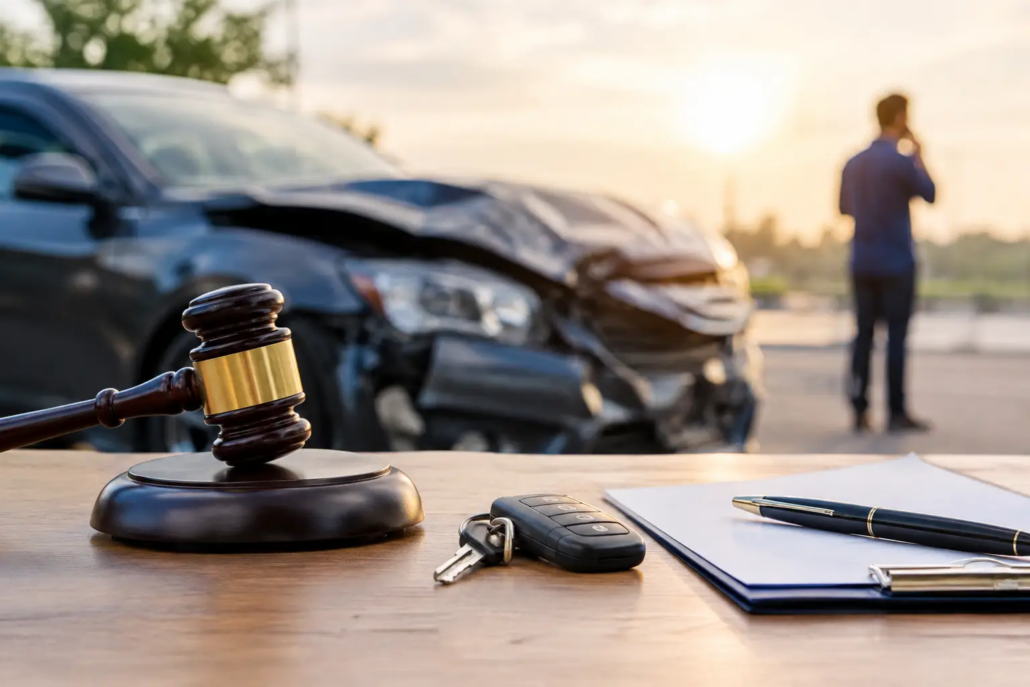
A collision caused by an impaired driver can change a Massachusetts family’s life in seconds. Medical care, missed work, pain, vehicle damage, and calls from insurers may arrive before you have had time to understand what happened. A drunk driver lawsuit is a civil claim that may help an injured person or grieving family seek financial accountability from the driver and, in some cases, other parties whose conduct contributed to the crash.
The driver’s arrest or criminal charge matters, but it does not pay your hospital bills by itself. Criminal court addresses whether the driver violated the law. A civil injury claim addresses the harm the crash caused you and what compensation may be available under Massachusetts law.
Who Can Be Responsible in a Drunk Driver Lawsuit?
The impaired driver is usually the first party examined. Driving while intoxicated or under the influence of drugs can be powerful evidence that a driver failed to use reasonable care. Still, every case requires proof of how the crash occurred, the injuries it caused, and the losses that followed.
A conviction for operating under the influence can support a civil case, but an injury claim does not always need to wait for the criminal case to end. Police reports, witness accounts, photographs, vehicle data, toxicology evidence, and medical documentation can all be important while the criminal matter is pending.
In some crashes, responsibility may extend beyond the driver. Massachusetts law may allow a claim against a bar, restaurant, liquor store, or other alcohol provider under certain circumstances. These cases are often called dram shop claims. The key question is not simply whether a business served alcohol. It is whether the evidence shows the establishment served a person who was visibly intoxicated, or otherwise violated a legal duty that contributed to the injury.
A social host may also face liability in limited situations, particularly where alcohol was furnished to a minor. The facts matter greatly. A party invitation, receipts, surveillance video, witness statements, and the timeline of the driver’s drinking can become central evidence.
Other defendants may be involved as well. For example, a company may face questions if an impaired employee was driving within the scope of work. A vehicle owner may have separate insurance issues. If a dangerous road condition, defective vehicle component, or construction-zone setup contributed to the crash, the analysis can become more complex.
What Compensation May Be Available?
A drunk driver lawsuit seeks compensation for losses caused by the collision, not a punishment based solely on the driver’s intoxication. Depending on the injuries and available coverage, a claim may seek payment for medical expenses, future treatment needs, lost wages, reduced earning ability, rehabilitation, and the cost of household help or other necessary services.
Non-economic harm also matters. Serious crashes can leave people with chronic pain, scarring, mobility limitations, anxiety, sleep disruption, and a loss of the activities that made daily life meaningful. These losses do not come with a simple receipt, but they are real and should be documented carefully.
When a drunk-driving crash causes a death, surviving family members may have a wrongful death claim. Damages can include losses connected to the person’s death, as well as the family’s loss of companionship, guidance, and financial support. The appropriate claim and available damages depend on the relationship to the person who died and the facts of the case.
Punitive damages are not available in every Massachusetts injury case. They may be available in certain wrongful death actions when the conduct was malicious, willful, wanton, or reckless. An impaired-driving case may raise that issue, but it depends on the evidence and the particular legal claim.
Evidence Can Disappear Quickly After an Impaired-Driving Crash
The strongest case is often built in the days and weeks after a crash, not months later. A police report may identify signs of impairment, field sobriety testing, an arrest, or alcohol-related evidence. But police reports are not the full investigation. They may not capture every witness, every camera angle, or every business record needed to show what occurred before impact.
Prompt evidence preservation can be especially important when a bar, restaurant, rideshare driver, commercial vehicle, or employer may be involved. Video systems may overwrite footage. Receipts can be discarded. Cellphone information, electronic vehicle data, and dispatch records may require formal steps to preserve.
Your own records are important, too. Keep copies of discharge instructions, prescriptions, bills, work absence information, photographs of injuries, and a simple journal describing pain and limitations. Follow recommended medical care when you can. Gaps in treatment do not automatically defeat a claim, especially when cost, scheduling, or the injury itself creates barriers, but insurers often point to those gaps to question the seriousness of an injury.
Do Not Rely on an Insurance Company’s Version of Events
The other driver’s insurer may contact you quickly and ask for a recorded statement or medical authorization. Its goal is to evaluate and limit its financial exposure. You are not required to accept an early settlement just because an adjuster describes it as fair.
Early offers frequently arrive before the full medical picture is clear. A concussion, spinal injury, fracture complication, or trauma-related condition may require far more care than was apparent immediately after the collision. Settling too soon can leave an injured person responsible for future expenses after the claim is closed.
Massachusetts no-fault benefits, commonly called Personal Injury Protection or PIP, may provide some initial benefits through the applicable auto policy. PIP does not necessarily cover all losses, and serious injuries often require a claim against the at-fault driver’s liability coverage. If the driver has little or no insurance, uninsured or underinsured motorist coverage may become an important part of the review.
Does the Driver’s Lack of Money End the Case?
Not necessarily. A drunk driver may have insurance, but policy limits can be inadequate after a catastrophic crash. That is why a full investigation should look beyond the driver’s personal assets. Available insurance can depend on vehicle ownership, household policies, employer involvement, commercial coverage, alcohol-provider liability, and the injured person’s own uninsured or underinsured motorist coverage.
There are trade-offs. Pursuing every possible defendant is not appropriate in every case, and liability against a business or host must be supported by evidence, not assumption. But identifying potential coverage early helps prevent a family from accepting a limited settlement without understanding the larger picture.
Massachusetts Deadlines Matter
Many Massachusetts personal injury and wrongful death claims have a three-year filing deadline, but waiting is risky. Different rules can apply when a government entity may be involved, and some claims require notice far earlier than the usual deadline. The date of injury, the identity of the defendants, and when an injury was discovered can all affect the timeline.
Comparative negligence can also affect recovery. If an injured person is found partly responsible, damages may be reduced by that percentage. Under Massachusetts law, a person who is more than 50 percent responsible generally cannot recover from another negligent party. An impaired driver’s conduct may be compelling evidence, but the defense may still argue about speed, visibility, seat belt use, lane position, or other facts. Those arguments should be addressed with evidence rather than accepted at face value.
What to Do After a Crash With a Drunk Driver
Seek medical attention first, even if symptoms seem manageable at the scene. Adrenaline can hide pain, and some head, neck, and internal injuries become clearer over time. Report the crash, preserve photographs and contact information, and avoid posting detailed statements about the collision on social media.
Then consider getting legal guidance before giving a recorded statement or signing a broad release. A lawyer can assess the police investigation, protect evidence, identify possible insurance coverage, and explain whether a claim against a bar, employer, vehicle owner, or other party is worth pursuing.
After a serious impaired-driving crash, you do not need to have every answer before asking for help. A careful review of the facts can protect your options while you focus on treatment, your family, and the work of getting your life back on steadier ground.


Leave a Reply
Want to join the discussion?Feel free to contribute!