
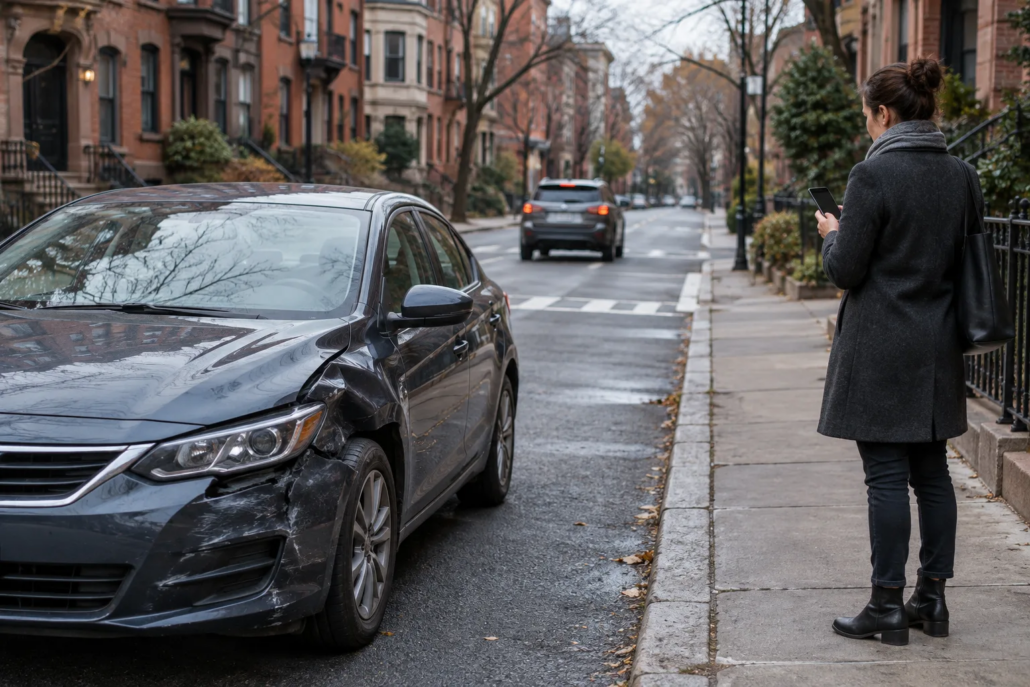
How Do You Pursue a Boston Hit-and-Run Injury Claim?
A collision can leave a person hurt, shaken, and unsure how to proceed. If the other driver speeds away before exchanging information, important details may be difficult to recover later. A Boston hit and run injury claim can be especially challenging because there may be no identified driver or their insurer to contact. Neumann helps readers understand the questions that can arise in this situation, including how to report the crash, preserve evidence, and review potential insurance coverage. The steps taken soon after a collision may help establish that a hit-and-run occurred and support an insurer’s investigation, although no single record guarantees coverage or compensation. This guide explains what information may matter, how Massachusetts policies could become relevant, and why deadlines still need attention while the driver’s identity remains unknown. The specific options depend on the facts, the policy language, and applicable Massachusetts law.
What makes a Boston hit-and-run injury claim difficult?
When the other driver is unknown, an injured person may not be able to pursue a claim directly against that driver or confirm whether the driver had insurance. The account of the collision, available witnesses, physical evidence, and timely reports may therefore carry added importance. A police report can document that the incident was reported, but it does not by itself establish every fact needed for an insurance claim.
Report the collision and record what you remember
Depending on the circumstances, a person may contact emergency services or Boston Police to report a collision and request assistance. Give an accurate account of what happened, including where and when it occurred, the direction the other vehicle traveled, and any details you recall about its type, color, or damage. Avoid guessing when information is uncertain. Ask how to obtain the report or incident information for later reference.
As soon as practical, write down your own recollection while it is fresh. Note the time, location, weather, traffic conditions, point of impact, and names or contact details of witnesses who are willing to provide them. Nearby businesses or residences may have cameras, but recordings can be overwritten. A prompt, polite request to preserve relevant footage may help, though access and retention vary. In Boston, camera availability and ownership can differ from one block or property to another.
What evidence and insurance may support a Boston hit-and-run injury claim?
Photographs can help record vehicle damage, debris, road conditions, nearby intersections, and any visible injuries. Keep original image files when possible, and note when and where each image was taken. Preserve damaged items and avoid repairing or disposing of a vehicle before considering whether documentation or an inspection could be useful. See this guide to preserving a damaged vehicle as crash evidence for more information about retaining physical evidence.
Medical records may document when an injury was evaluated and what symptoms or treatment were reported. Prompt medical attention can also help create a timely record, but only a health professional can assess an injury or recommend care. Keep bills, appointment information, and records of missed work together. Massachusetts Personal Injury Protection (PIP) may help with certain eligible expenses, subject to applicable rules and policy limits. Review Massachusetts PIP benefits after a Boston crash to understand how those benefits differ from a bodily-injury claim.
An injured person may also check their own auto policy for uninsured motorist (UM) coverage. Depending on the policy language and circumstances, UM coverage may be relevant when an at-fault driver cannot be identified. Requirements for notice, proof, and cooperation can matter, so review the policy and communicate with the insurer promptly. This overview of Massachusetts uninsured motorist coverage after a hit-and-run discusses that potential source of coverage. Eligibility is not automatic, and the insurer may investigate whether the facts meet the policy’s requirements.
What mistakes can complicate an unidentified-driver accident claim in Massachusetts?
A major challenge is that the driver’s identity may never be established. In that situation, evidence should tell a consistent, supportable account of the collision without filling gaps with assumptions. Report what you know, keep copies of records, and make a note when a detail is uncertain. If a witness or camera recording may help, record where it came from and when you learned about it.
Insurance communications also deserve care. A policyholder may need to give notice and cooperate with an investigation, but should read the policy and understand what is being requested. Keep copies of claim correspondence and make a record of calls. If an insurer asks for a recorded statement, broad medical authorization, or a release, the effect may depend on the request and circumstances; an attorney can explain potential implications.
Do not assume that an ongoing police investigation or insurance review pauses legal deadlines. Filing time limits depend on the type of claim and circumstances, and may differ when special parties or issues are involved. A Boston-area claim may also require attention to the appropriate court and venue if a lawsuit becomes necessary. Review Massachusetts deadlines for filing a Boston car accident claim and seek advice about the time limit that applies to a specific situation. Preserving proof and tracking deadlines are separate tasks; one does not replace the other.
Frequently Asked Questions
What if no one saw the other vehicle leave?
A claim may still be evaluated using other evidence, such as the injured person’s account, vehicle damage, debris, nearby camera footage, or records made soon after the collision. The available proof will vary, and an insurer may investigate whether the facts support a hit-and-run claim under the policy. A lack of an eyewitness does not by itself answer whether coverage applies.
Can I make a claim if the other vehicle is never found?
Potentially, but the options depend on the insurance policy, the evidence, and the circumstances of the crash. An injured person may review their own UM coverage and other applicable benefits, including PIP for certain eligible expenses. Policy requirements can differ, and coverage should not be assumed. A Massachusetts attorney can assess how the available facts and policy terms may affect a particular claim.
What information should I give my insurer?
Insurers generally need accurate information about the collision, when and where it occurred, reported injuries, available witnesses, and any police or incident report details. A policy may also require prompt notice and cooperation. Keep a copy of what you submit and ask how to provide additional records. If you are unsure about a request, consider getting advice before responding.
Could a passenger or cyclist have a claim after a hit-and-run?
A passenger, pedestrian, or cyclist injured by a driver who leaves may have potential claims or insurance options, but the applicable policies and requirements can differ from those for a driver. Relevant facts may include who owned or insured any involved vehicle and how the collision happened. Coverage and responsibility are fact-specific, so an attorney can review the available information.
How Neumann Can Help
An unidentified driver can make it harder to connect the collision, available evidence, and potential insurance coverage. Neumann is dedicated to helping injured people understand those issues and is committed to fighting for their rights while evaluating the facts and applicable policy terms. The firm can review available reports and records, consider potential coverage, and discuss questions about insurer communications and deadlines. Every matter depends on its own evidence and circumstances, and no particular result can be promised. If you were injured in a Boston hit-and-run, contact Neumann to request a free consultation or case evaluation and explore your legal options.
The information in this article is for educational purposes only and does not constitute legal advice. Contact a qualified attorney licensed to practice in Massachusetts for advice specific to your situation.


Leave a Reply
Want to join the discussion?Feel free to contribute!